

New Owner Guidelines
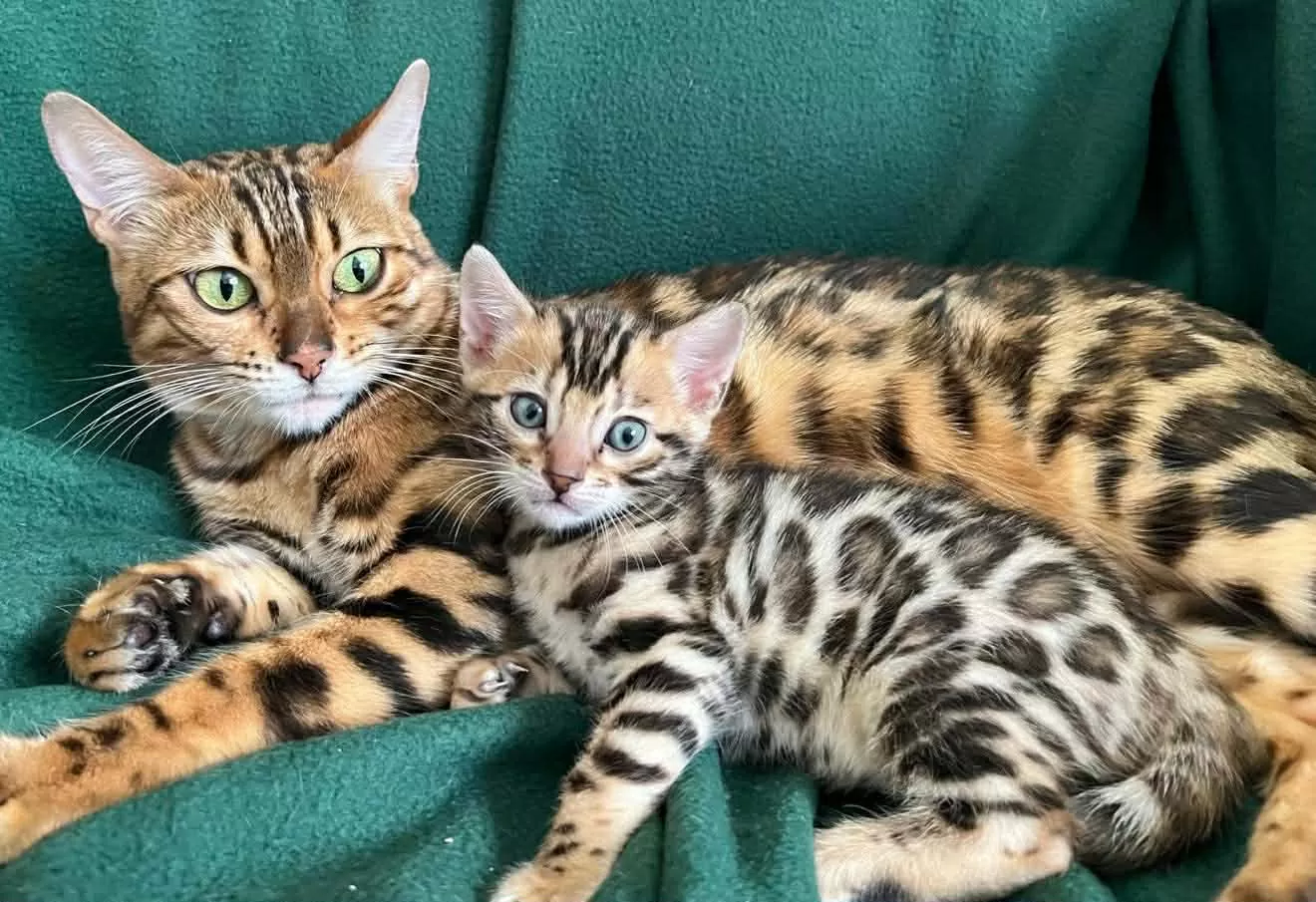
Essential Care Guidelines for Regina Mur Bengals Kittens
Very Important Recommendations:
Research Center of the Regina Mur Bengals Cattery
Our buyers often forget these as soon as they leave our home with their kitten. And we understand! They are excited about the joy of having a new furry friend. However, we strongly recommend following these guidelines. This will save you time, money, and stress from unnecessary vet visits.
Main Recommendations:
1. Responsibility Before Getting a Kitten
Before adopting a fluffy, elite kitten, understand that you are taking on a responsibility.
A kitten is not a toy from Toys “R” Us – it is a new, tiny (3-month-old) family member who requires attention, love, and health monitoring, especially in the first year. This period is much like a baby’s first year, just a bit simpler.
Health Monitoring Includes:
- Timely second and third FVRCP vaccinations and deworming (dates are listed on the vet examination sheet).
- Fecal test for parasites (specifically the KeyScreen PCR GI Panel, which detects all possible parasites).
- A warm place to live: This is critical for kittens aged 0–8 months, especially in cold weather. Young kittens have little body fat and can easily catch a cold.
- When bringing a kitten home, it will take a few days to two weeks for it to adjust.
- Kittens often hide under sofas or beds – these are the coldest places in the house (even in summer with air conditioning).
- Solution: Place a Pet Electric Heating Pad or at least a blanket in these areas. We recommend the K&H Pet Products Thermo – Pet Cave Heated Cat Bed & Tunnel.
- The floor temperature should be 72–74°F – we place a small thermometer on the floor to monitor this.
2. Medical Check-Ups & Vaccinations
- Your kitten comes with a vet health certificate confirming its first FVRCP vaccination and initial deworming.
- The second vaccination and deworming must be done exactly one month after the first.
You will also receive:
- Genetic test results of the kitten’s parents (PK Def and PRA).
- A small container for a fecal test to bring to your vet at the first appointment. The test should be the KeyScreen PCR GI Panel (this is the only test that screens for all parasites).
Why is the KeyScreen PCR GI Panel so important?
- It prevents possible worms and parasites that could harm your pet.
- Although we test the parents, we also recommend testing the kitten because parasites can severely impact a young kitten’s developing digestive system.
- If a kitten has diarrhea for more than five days, it can become dehydrated, which is dangerous.
- Soft stool is normal, but watery stool (diarrhea) occurring more than three times a day is a serious issue and requires immediate veterinary attention.
- If you have other pets, we recommend testing them with the same KeyScreen PCR GI Panel to prevent cross-contamination.
- First-time owners should closely monitor the kitten’s stool – this is a key indicator of health.
3. Proper Nutrition
General Feeding Rules:
1. Do not change the kitten’s diet for at least two months.
- Do not switch food brands – the digestive system is still developing and needs consistency.
- Bengal kittens are sensitive to diet changes, which can cause diarrhea.
2. Food should always be fresh, and water should be clean.
- Use ceramic or metal bowls (avoid plastic, as it may cause allergies).
- We recommend ceramic fountains with charcoal filters to remove harmful elements from tap water.
- If using a water fountain, clean the filter regularly.
Food Types:
Dry food: We use Royal Canin (various types, including: Mother & Baby Cat, Digestive, Bengal, Spayed/Neutered).
- We mix three types of dry food so kittens can choose their preference.
- Dry food should be available all day.
Wet food (canned): Also Royal Canin.
- Buy 3–4 different types and see which one your kitten prefers.
- Serve 1–2 teaspoons at a time (do not mix with other foods).
Transitioning to a new brand:
- Wait 1–2 months before changing food brands.
- Introduce new food gradually over two weeks, mixing a little more each day.
- A sudden switch can cause diarrhea.
Raw Food (RAW DIET):
Some of our kittens are introduced to raw food, as their mothers eat it while nursing.
Benefits: Kittens fed raw food between 2–6 months tend to grow bigger and more muscular.
Raw food is homemade: Whole chicken (skin & fat removed), ground with bones, with added vitamins (including Taurine).
Why is Taurine Important?
It plays a crucial role in:
- Bile production, nervous system, brain, and heart health
- Retina development (vision)
- Digestion and gut health
- Coat health – making fur softer and shinier
- Cats cannot produce Taurine on their own – it must come from food or supplements.
Raw food preparation:
- We freeze raw food for two weeks before feeding it to kittens.
- It is fresh, organic, and rich in calcium from ground bones.
Raw food precautions: We do not microwave or cook raw food – heat alters bone structure, making it indigestible and dangerous.
If transitioning a kitten from raw food to canned/dry food:
- Serve them separately on different plates for two weeks.
- Gradually decrease raw food while increasing canned food.
- Raw food is only provided for transition purposes (7–8 lbs per kitten).
- If your kitten eats canned and dry food without issues, there is no need for raw food.
Weight control after spaying/neutering:
- Cats gain weight more easily post-surgery.
- Use portion control and exercise toys (e.g., food-dispensing toys or a cat running wheel).
4. General Well-Being
- If your kitten is active, eating, drinking, playing, and has normal stool – everything is fine.
- After playtime, allow your kitten to rest.
- If you have children, ensure they give the kitten quiet time. Constant handling can make the kitten nervous and cause it to hide.
- Remember: Your kitten is a living being and a new family member!
We wish you the best of luck!
Thank you for reading to the end.
Research Center of the Regina Mur Bengals Cattery