

Are Bengal Cats Good Indoor Pets in New York City?
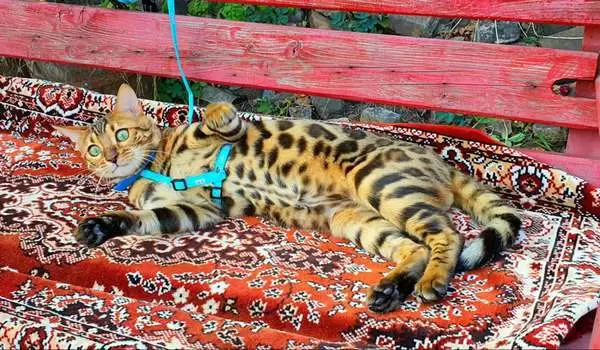
Are Bengal Cats Good Indoor Pets in New York City?
The question of whether Bengal cats make suitable indoor pets, particularly in a bustling metropolis like New York City, is a common one for prospective owners. These exotic-looking felines, known for their striking spotted coats and wild ancestry, possess a unique blend of traits that can make them wonderful companions. However, their suitability as indoor pets hinges on understanding their specific needs and providing an environment that caters to their energetic and intelligent nature. This comprehensive guide will delve into the intricacies of raising a Bengal cat indoors in the urban landscape of New York, ensuring both the cat's well-being and the owner's satisfaction.
Understanding the Bengal Cat: A Breed Profile
To determine if a Bengal cat is a good fit for indoor living in New York apartments, it's crucial to understand the breed's origins and inherent characteristics. Developed by crossing domestic cats with Asian Leopard Cats, Bengals retain a degree of their wild ancestors' instincts, manifesting as high energy levels, exceptional intelligence, and a strong prey drive. This doesn't mean they are wild animals; rather, they are domestic cats with a more adventurous spirit and a need for stimulation. Understanding these foundational traits is the first step to creating a thriving indoor environment.
Key Characteristics of Bengal Cats
- High Energy Levels: Bengals are not couch potatoes. They require significant daily exercise and mental engagement to prevent boredom and destructive behaviors.
- Intelligence and Curiosity: These cats are highly intelligent and can learn tricks, solve problems, and often exhibit a fascination with water. Their curiosity can lead them into mischief if not properly channeled.
- Social Needs: While independent, Bengals can form strong bonds with their owners and often benefit from companionship, either human or feline.
- Vocalization: Bengals can be quite vocal, communicating their needs and desires with a range of sounds, from chirps to meows.
- Grooming: Their short, dense coat requires minimal grooming, making them relatively low-maintenance in terms of coat care.
Bengal Cats vs. Traditional House Cats
Compared to many traditional house cat breeds, Bengal cats require a more active and engaging lifestyle. While a typical domestic shorthair might be content with a few hours of play, a Bengal often needs continuous stimulation. This difference is crucial when considering an indoor cat environment. In an apartment setting in NYC, where outdoor access might be limited or unsafe, ensuring adequate enrichment for a Bengal is paramount.
Bengal Cats as Indoor Pets: The Pros and Cons
The decision to keep a Bengal cat exclusively indoors in New York City comes with its own set of advantages and challenges.
Advantages of Indoor Bengal Cats
- Safety and Security: Keeping a Bengal indoors significantly reduces the risks associated with outdoor life, such as traffic accidents, encounters with predators (even in urban environments, this can include larger stray animals or birds of prey), exposure to diseases and parasites, and potential theft or getting lost.
- Controlled Environment: Owners have complete control over their cat's diet, social interactions, and overall well-being, ensuring they are protected from external dangers.
- Longevity: Generally, indoor cats tend to live longer, healthier lives than their outdoor counterparts due to the absence of environmental hazards.
- Reduced Impact on Wildlife: For owners concerned about the ecological impact, keeping a Bengal indoors prevents them from preying on local bird and small mammal populations, which is a concern with any domestic cat allowed to roam freely.
Challenges of Indoor Bengal Cats
- Need for Stimulation: The most significant challenge is providing enough mental and physical stimulation to prevent boredom, anxiety, and destructive behaviors.
- Space Requirements (Mental): While they don't need vast physical space, they do need ample opportunities for climbing, exploring, and playing within their indoor environment.
- Potential for Behavioral Issues: If their needs are not met, Bengals can become stressed, leading to behaviors like spraying, excessive vocalization, aggression, or destructive scratching.
- Owner Commitment: Bengals demand a significant time commitment from their owners for play, training, and interaction.
Creating an Enriching Indoor Environment for Your Bengal in New York
For a Bengal cat to thrive indoors in New York City, owners must actively create an environment that mimics some aspects of their natural habitat and caters to their energetic and inquisitive minds.
Vertical Space: The Key to a Happy Indoor Bengal
Vertical space is as important as horizontal space for cats, and even more so for active breeds like Bengals. They love to climb, perch, and observe their surroundings from elevated vantage points.
Cat Trees and Shelves
- Invest in sturdy, multi-level cat trees that reach near the ceiling. These provide opportunities for climbing, scratching, and napping.
- Install wall-mounted cat shelves throughout your New York apartment. This creates an engaging "cat highway" allowing them to navigate and explore different levels of your home.
- Consider a cat condo with various levels and hiding spots.
Window Perches
Ensure your Bengal has comfortable window perches to watch the world go by. Observing birds, people, and the general bustle of New York City can be highly stimulating for them.
Interactive Play and Mental Stimulation
Daily interactive play sessions are non-negotiable for indoor Bengals. This is crucial for burning off energy, strengthening the bond with your cat, and preventing behavioral problems.
Variety of Toys
- Provide a diverse range of toys: feather wands, laser pointers (used responsibly), crinkle balls, puzzle feeders, and chase toys.
- Rotate toys regularly to keep them novel and exciting.
- Consider battery-operated toys that move on their own for times when you can't actively play.
Puzzle Feeders and Treat Balls
Puzzle feeders and treat balls are excellent for mental stimulation. They require your cat to work for their food or treats, mimicking hunting behaviors and keeping their minds sharp.
Training and Tricks
Bengals are intelligent enough to learn tricks. Engaging in short, positive reinforcement training sessions can be highly rewarding for both you and your cat. Teach them to fetch, high-five, or even walk on a harness.
Scratching Posts and Surfaces
Providing appropriate scratching outlets is essential to protect your furniture and satisfy your cat's natural instinct to scratch.
- Offer a variety of scratching surfaces: vertical posts, horizontal scratchers, and angled scratchers.
- Materials like sisal rope, cardboard, and carpet are generally preferred.
- Place scratching posts in prominent areas where your cat likes to relax and near their sleeping areas.
Social Interaction: Companionship for Your Bengal
Bengals can be social creatures and often benefit from the company of other animals.
Consider a Second Cat
If your lifestyle allows, and after careful introduction, a second Bengal cat or another compatible feline companion can provide invaluable social interaction, reducing the risk of loneliness and boredom. Ensure you have enough space and resources for multiple pets.
Human Interaction is Key
Even with other pets, dedicated human interaction is vital. Spend quality time playing with, grooming, and cuddling your Bengal daily.
Addressing Specific Concerns for New York City Residents
Living in New York City presents unique considerations for any pet owner, and Bengals are no exception.
Apartment Living with a Bengal
While Bengals have high energy, they can adapt to apartment living if their indoor environment is sufficiently enriched. The key is to maximize vertical space and provide ample opportunities for play and exploration within the confines of the apartment.
Balcony Safety
If you have a balcony, ensure it is completely cat-proofed to prevent escapes. This includes enclosing it with sturdy mesh or netting. A supervised balcony can offer a taste of the outdoors without the associated risks.
Noise Concerns
Bengals can be vocal. If you live in close proximity to neighbors in New York apartments, consider managing vocalization through:
- Ensuring their needs are met (play, food, attention).
- Providing stimulating activities to redirect vocal energy.
- Consulting with a veterinarian or feline behaviorist if excessive vocalization becomes a problem.
Leash Training and Outdoor Excursions
While many Bengal cats can be safely kept indoors, some owners choose to provide managed outdoor experiences.
Harness Training
Harness training is essential for safely taking your Bengal outside.
- Start training from a young age.
- Introduce the harness gradually, associating it with positive experiences.
- Choose a secure, comfortable harness designed for cats.
Safe Outdoor Locations in NYC
Finding safe outdoor spaces in New York City can be challenging. Consider:
- Quiet, less-trafficked parks during off-peak hours.
- Ensuring you are aware of local leash laws and regulations for pets.
- Always supervise your cat closely.
Veterinary Care and Health
Regular veterinary check-ups are crucial for any cat, including Bengals.
Common Health Issues
While generally healthy, Bengals can be predisposed to certain conditions, such as:
- Hypertrophic Cardiomyopathy (HCM)
- Progressive Retinal Atrophy (PRA)
- Patellar Luxation
Responsible breeders will screen their cats for these conditions. Partnering with a veterinarian experienced with exotic breeds can ensure your Bengal receives the best possible care in New York.
Are Bengal Cats Good Indoor Pets? The Verdict
In conclusion, Bengal cats can indeed be excellent indoor pets in New York City, but only with a significant commitment from their owners. Their intelligence, energy, and curiosity require an environment that actively engages their minds and bodies. By providing ample vertical space, a variety of stimulating toys, regular interactive play, and appropriate scratching outlets, owners can create a fulfilling indoor life for their Bengal. The urban environment of New York presents unique challenges, such as limited space and potential noise concerns, but these can be managed effectively with careful planning and dedication.
If you are prepared to invest the time and effort to meet your Bengal's specific needs, you will be rewarded with a devoted, entertaining, and stunning companion that will bring a touch of the wild into your New York City home.
FAQs about Are Bengal Cats Good Indoor Pets in New York City?
Are Bengal cats suitable as indoor pets in New York City?
Yes, Bengal cats can be excellent indoor pets in New York City, but only with a significant commitment from their owners. Their intelligence, energy, and curiosity require an environment that actively engages their minds and bodies.
What are the key characteristics of Bengal cats that influence their suitability for indoor living?
Bengal cats possess high energy levels, exceptional intelligence, and a strong prey drive. They are very curious and can be quite vocal. They require significant daily exercise and mental engagement to prevent boredom and destructive behaviors.
What are the main challenges of keeping a Bengal cat exclusively indoors in an NYC apartment?
The most significant challenges include providing enough mental and physical stimulation to prevent boredom and destructive behaviors, ensuring ample opportunities for climbing and exploring within limited space, and dealing with potential behavioral issues if their needs are not met. Bengals also demand a significant time commitment from their owners.
How can I create an enriching indoor environment for a Bengal cat in a New York apartment?
To create an enriching environment, focus on vertical space by installing sturdy multi-level cat trees, wall-mounted cat shelves, and window perches. Provide a variety of interactive toys, puzzle feeders, and engage in daily play sessions and even training. Ensure appropriate scratching posts and surfaces are available.
Do Bengal cats need a lot of physical space to be happy in an apartment?
While they don't necessarily need vast horizontal space, Bengal cats do need ample opportunities for climbing, exploring, and playing within their indoor environment. Maximizing vertical space with cat trees and shelves is crucial for apartment living to keep them stimulated.
What are the advantages of keeping a Bengal cat indoors in New York City?
Advantages include increased safety from traffic accidents, predators, diseases, and parasites. Owners have complete control over their cat's diet and overall well-being, leading to generally longer and healthier lives. It also reduces their impact on local wildlife populations.
How can NYC residents address specific concerns like noise or balcony safety for their Bengal cat?
Bengals can be vocal, so managing vocalization involves ensuring their needs are met, providing stimulating activities, and consulting a veterinarian or behaviorist if excessive. For balconies, they must be completely cat-proofed with sturdy mesh or netting to prevent escapes, allowing for supervised outdoor access.
Do Bengal cats require much social interaction or companionship?
Bengals can be social creatures and often benefit from companionship. While independent, they form strong bonds with owners. A second compatible feline companion can provide social interaction if introduced carefully, but dedicated human interaction through play, grooming, and cuddling daily is vital for their well-being.