

Bengal Cat Coat Colors and Grooming: A Comprehensive Guide
The Allure of the Bengal Cat Coat: Colors, Patterns, and Essential Grooming
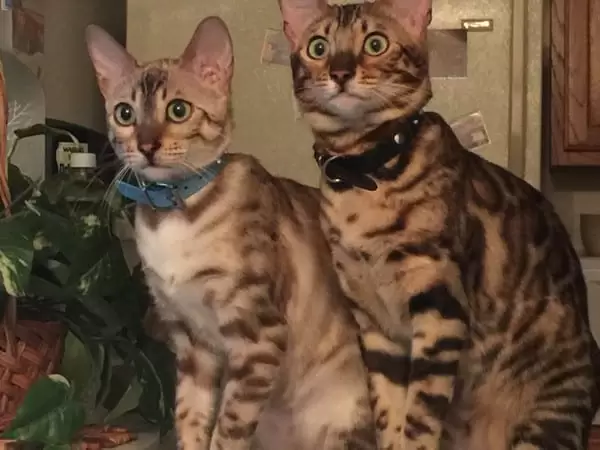
The Bengal cat is a breed that commands attention, a living testament to the captivating beauty of wild ancestry blended with domesticated companionship. Far from being delicate, the Bengal embodies the spirit of an athlete: agile, graceful, and possessing a potent, muscular physique that speaks of their jungle heritage. This inherent athleticism is mirrored in their stunning coats, a primary feature that draws admiration and necessitates specific care. Their broad head, a modified wedge shape, is notably longer than it is wide, with gracefully rounded contours. Perched atop are ears of medium to small size, set relatively low and towards the sides of the head. Their large, oval eyes, often described as almost round, hold a gaze that is both intelligent and mesmerizing. Connecting their regal head to their powerful body is a long, muscular neck. This elegant frame is supported by medium-length legs, with a subtle elongation in the hindquarters compared to the forelegs, all culminating in large, round paws. The Bengal’s tail is a thick, medium-length appendage that tapers gracefully to a black-tipped end, a perfect accent to their wild aesthetic. A delightful characteristic often revealed when a Bengal indulges in a playful roll is their spotted belly, adding another layer to their unique charm.
Exploring the Spectrum of Bengal Coat Colors and Patterns
The Bengal’s allure is amplified by its short, dense pelt, which possesses a remarkably soft and silky texture. This luxurious coat is not uniform; it manifests in a breathtaking array of colors and patterns, each contributing to the breed’s distinctive wild appearance. The most iconic patterns include:
Spotted Coats: The Wild Legacy
The classic Bengal coat features distinct spots, reminiscent of their wild ancestors like the Asian Leopard Cat. These spots can vary significantly in size, shape, and arrangement. Some Bengals exhibit ‘rosettes’, which are rings of color around a darker center, creating a bullseye effect. Others have solid, well-defined spots that are scattered across their body. The spacing and density of these spots are key characteristics, contributing to the overall wild aesthetic. The term “pavement” spots is sometimes used to describe Bengals with very large, broad spots that appear to merge.
Marbled Coats: Artistic Swirls of Color
An equally captivating pattern is the marbled coat. Instead of distinct spots, these Bengals display flowing, horizontal stripes that are arranged in a random, artistic fashion against a lighter background. The marbling effect creates a sense of movement and depth, resembling the natural patterns found on rocks or wood grain. The contrast between the darker stripes and the lighter base coat is crucial for a well-defined marbled pattern. Elegant marbling is highly prized by breeders and enthusiasts.
Color Variations: A Palette of Possibilities
Beyond the patterns, Bengal coats come in a rich variety of base colors:
Brown Tabby (Classic Wild Cat Appearance
This is the most common and perhaps the most recognized Bengal color. It features warm, earthy tones of brown, tan, and cream as the background, with dark brown or black markings. The contrast is often striking, further enhancing the wild look. The deep, rich color of a brown tabby Bengal is truly captivating.
Seal Mink (Soft, Subtle Tones
Seal mink Bengals possess a softer, more muted color palette. Their background color is typically a creamy beige or light brown, with markings that are a darker, seal-brown. The transition between colors is often more gradual, giving them a gentle and appealing appearance.
Black Silver Tabby (Striking Contrast
The black silver tabby Bengal is renowned for its dramatic contrast. Their base coat is a bright, clear silver, providing a stunning backdrop for the stark black markings. This color variation often highlights the clarity and definition of the spots or marbling, making them appear exceptionally sharp. The bold coloration of a silver Bengal is particularly striking under certain lighting conditions.
Seal Silver Lynx Point (Unique Coloration
This fascinating color variation combines elements of the Siamese breed’s point coloration with the Bengal’s tabby markings. Seal silver lynx point Bengals have a pale, almost white or cream body with distinct tabby markings on the points (ears, face, legs, and tail) in a seal-brown or greyish-brown. This creates a unique and exotic appearance that is highly sought after. The subtle beauty of the lynx point is captivating.
The Enchanting “Glitter” Effect
Perhaps one of the most magical aspects of the Bengal’s coat is the phenomenon known as “glitter.” This is not a separate color but rather a characteristic of the fur itself. Bengals with the glitter gene have fur shafts that are translucent or refract light differently than normal fur. The result is a coat that shimmers and sparkles in the light, as if dusted with gold or silver. This iridescent sheen adds an extraordinary dimension to their already stunning appearance, making them truly stand out. A dazzling quality, this glitter effect is a hallmark of the breed.
Essential Grooming for Your Bengal Cat
Despite their luxurious coats, Bengals are remarkably low-maintenance when it comes to grooming. Their short, dense fur is naturally resistant to matting and dirt, meaning they require significantly less brushing than many long-haired breeds. However, regular grooming is still beneficial for maintaining their coat’s health and shine, as well as strengthening your bond with your feline companion.
Brushing: Consistency is Key
While a daily brush isn’t necessary, incorporating regular grooming sessions into your routine is advisable. Aim for at least once or twice a week. This helps to:
- Distribute natural skin oils, promoting a healthy, lustrous coat.
- Remove loose hair, reducing shedding and minimizing hairballs.
- Check for any skin irritations, parasites, or lumps.
- Provide a bonding opportunity between you and your Bengal.
For brushing, a soft-bristled brush or a grooming mitt is usually sufficient. Avoid harsh metal combs that could be uncomfortable for their sensitive skin. Gently brush in the direction of hair growth, paying attention to any areas where hair might be a little denser.
Bathing: A Rare Occurrence
Bengals are generally clean animals and rarely require baths. In fact, most Bengals tolerate water better than other domestic cat breeds, often showing curiosity towards it. However, unless your Bengal gets particularly dirty or has a medical condition that requires it, avoid frequent bathing. Over-bathing can strip their coat of essential natural oils, leading to dryness and dullness. If a bath is necessary, use a gentle cat-specific shampoo and lukewarm water, and ensure they are thoroughly dried afterward.
Nail Trimming: Essential for Safety
Regular nail trimming is crucial for both your Bengal’s safety and the preservation of your furniture. Overgrown nails can cause discomfort, snag on carpets or furniture, and even lead to ingrown nails. Start this practice from a young age to help them get accustomed to it. Use sharp cat nail clippers and trim only the tip of the nail, avoiding the quick (the pink part that contains blood vessels and nerves). If you’re unsure, consult your veterinarian or a professional groomer for a demonstration.
Ear and Eye Care: Vigilance is Key
Bengals typically have good ear and eye hygiene. However, it’s wise to check their ears and eyes periodically for any signs of redness, discharge, or unusual odor. Clean the outer ear with a damp cloth if needed, but avoid inserting anything into the ear canal. If you notice any concerning symptoms, consult your veterinarian. An occasional check can prevent potential issues.
Dental Hygiene: A Vital Component
Dental health is an often-overlooked aspect of cat care, yet it’s vital for overall well-being. Ideally, you should aim to brush your Bengal’s teeth regularly with a cat-specific toothpaste and toothbrush. This helps prevent plaque buildup, gum disease, and other dental problems. If brushing proves difficult, consider dental treats or water additives designed to promote oral hygiene. Regular veterinary dental check-ups are also important.
The Role of Diet in Coat Health
A high-quality diet is fundamental to maintaining a healthy and lustrous coat. Ensure your Bengal’s food is rich in essential fatty acids, proteins, vitamins, and minerals. Omega-3 and Omega-6 fatty acids, in particular, play a crucial role in skin and coat health, contributing to its shine and suppleness. Look for foods that list meat as the primary ingredient and avoid those with excessive fillers or artificial additives. Nutritional support from their diet is paramount.
Embrace the Beauty and Care of Your Bengal
The Bengal cat’s coat is a significant part of its captivating charm, offering a stunning display of wild-inspired patterns and colors. From the classic spots to the mesmerizing marbling and the enchanting glitter effect, each Bengal is a unique work of art. While their grooming needs are relatively minimal, consistent care, including regular brushing, nail trims, and a balanced diet, will ensure their coat remains healthy, vibrant, and a true reflection of their extraordinary breed. By understanding and tending to their specific coat characteristics and grooming requirements, you can fully appreciate and enjoy the magnificence of your Bengal companion. A rewarding experience awaits those who cherish these remarkable felines.
FAQs about Bengal Cat Coat Colors and Grooming
What are the primary coat patterns found in Bengal cats?
Bengal cats primarily display two captivating coat patterns: 'spotted' and 'marbled'. Spotted coats feature distinct spots, which can be solid or 'rosettes' (rings of color with a darker center). Marbled coats, on the other hand, showcase flowing, horizontal stripes arranged in an artistic fashion against a lighter background.
What are some of the recognized coat colors for Bengal cats?
Bengal cats come in a rich variety of base colors, including Brown Tabby (warm earthy tones with dark markings), Seal Mink (softer, muted creamy beige/light brown with seal-brown markings), Black Silver Tabby (bright silver base with stark black markings), and Seal Silver Lynx Point (pale body with tabby markings on the points like ears, face, legs, and tail).
What is the "glitter" effect seen in some Bengal cat coats?
The "glitter" effect is a unique characteristic where the fur shafts are translucent or refract light differently, giving the coat a shimmering or sparkling appearance. This iridescent sheen makes the Bengal's coat look as if it's dusted with gold or silver, enhancing its stunning appearance.
Are Bengal cats considered high-maintenance in terms of grooming?
No, despite their luxurious coats, Bengal cats are remarkably low-maintenance when it comes to grooming. Their short, dense fur is naturally resistant to matting and dirt, requiring significantly less brushing than many long-haired breeds.
How often should I brush my Bengal cat?
While daily brushing isn't necessary, it's advisable to incorporate regular grooming sessions at least once or twice a week. This helps distribute natural skin oils, reduces shedding and hairballs, allows for skin checks, and strengthens the bond with your cat.
Do Bengal cats require frequent bathing?
Bengals generally do not require frequent baths as they are clean animals. Most tolerate water well, but over-bathing can strip their coat of essential natural oils, leading to dryness. Baths should only be given if they get particularly dirty or for medical reasons, using a gentle, cat-specific shampoo.
Why is regular nail trimming important for Bengal cats?
Regular nail trimming is crucial for both the Bengal's safety and to protect furniture. Overgrown nails can cause discomfort, snag on carpets or furniture, and potentially lead to ingrown nails, which can be painful.