

Bengal Cats Newark, NJ | Expert Guide to Training Your Bengal Kitten
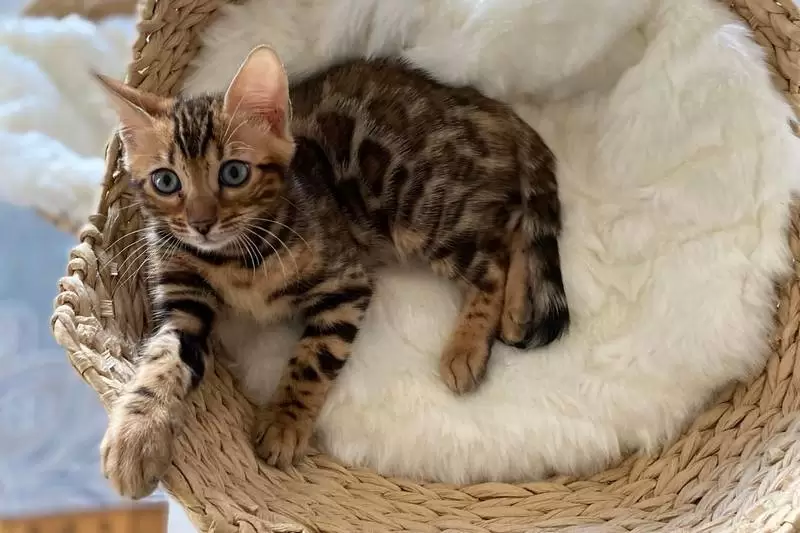
Bengal Cats Newark, NJ: Mastering the Art of Kitten Training
Bringing a Bengal kitten into your home in Newark, NJ, is an exciting experience. These intelligent, athletic, and strikingly beautiful cats are known for their playful nature and strong personalities. However, their unique traits also mean that effective training is key to a harmonious life together. This comprehensive guide is designed to equip you with the knowledge and techniques to successfully train your Bengal kitten, ensuring they grow into a well-adjusted and cherished member of your family.
Training a Bengal kitten, just like any new pet, requires dedication, understanding, and a whole lot of love. Unlike some other breeds, Bengals often possess a keen intellect and a curiosity that can be both a joy and a challenge. The earlier you begin with consistent, positive training methods, the more likely you are to see significant results. Our focus will be on building a strong bond through positive reinforcement, establishing clear expectations, and understanding the specific needs of this distinctive breed.
Understanding Your Bengal Kitten's Unique Needs
Before diving into specific training techniques, it's crucial to understand what makes Bengal cats special. Their lineage traces back to wild Asian Leopard Cats, and while domestic Bengals are far removed from their wild ancestors, they often retain a heightened sense of awareness, a love for activity, and a natural inclination towards exploration. This means:
Intelligence and Curiosity
Bengals are incredibly smart. They often learn quickly, sometimes even faster than you might expect. This intelligence means they can also get bored easily, leading to destructive behaviors if not provided with sufficient mental and physical stimulation. Engaging their minds is just as important as teaching them commands.
Activity and Playfulness
Expect your Bengal kitten to be energetic. They love to climb, jump, and play. Providing them with appropriate outlets for this energy, such as interactive toys, climbing structures, and dedicated playtime, is essential for managing their behavior and preventing unwanted actions like scratching furniture.
Vocalization
While not as vocal as some other breeds, Bengals can communicate their needs and desires through a variety of sounds. Learning to interpret their meows, chirps, and other vocalizations can be part of understanding your cat better.
Socialization
Early and positive socialization is vital for any kitten, and Bengals are no exception. Exposing them to various sights, sounds, people, and other (friendly) animals from a young age can help them grow into confident and well-adjusted adults. This is particularly important for building confidence and reducing potential fear-based reactions.
Essential Training Principles for Bengal Kittens in Newark
The foundation of successful cat training is built on a few core principles. For Bengal kittens in Newark, these are paramount:
1. Start Early: The Sooner, The Better
Begin training your Bengal kitten the moment they join your household. Kittens are in a prime learning phase, and establishing good habits early on will prevent the need to correct ingrained undesirable behaviors later. This includes everything from litter box training to basic obedience and socialization.
2. Positive Reinforcement: The Key to Success
This is arguably the most effective and humane method for training any animal, especially cats. Positive reinforcement involves rewarding desired behaviors, making them more likely to be repeated. This can include:
- Treats: Small, high-value treats that your kitten loves.
- Praise: Enthusiastic verbal praise and petting.
- Play: Engaging in a short, fun play session.
- Affection: Gentle strokes and attention.
Avoid punishment, as it can lead to fear, anxiety, and a damaged bond with your kitten. Instead of punishing mistakes, focus on redirecting their behavior and rewarding correct actions. For example, if your kitten scratches the sofa, gently redirect them to their scratching post and praise them when they use it.
3. Consistency is Crucial
Use the same commands, cues, and rules every single time. If you allow your kitten on the counter one day and prohibit it the next, they will become confused. Ensure all members of the household are on the same page regarding training techniques and boundaries.
4. Patience and Persistence
Training takes time. There will be setbacks and accidents. Don't get discouraged. Celebrate small victories and approach each training session with a calm and positive attitude. Your Bengal kitten will pick up on your emotions, so a relaxed demeanor is essential.
5. Keep Training Sessions Short and Fun
Kittens have short attention spans. Aim for multiple short training sessions (5-10 minutes) throughout the day rather than one long one. End each session on a positive note, even if it's just a simple successful command, to keep them eager for the next.
House-Training Your Bengal Kitten: Litter Box Mastery
Toilet training a Bengal kitten in Newark is a critical step in integrating them into your home. Fortunately, cats are naturally clean animals and often take to litter boxes readily.
Choosing the Right Litter Box and Location
- Size Matters: Ensure the litter box is large enough for your kitten to turn around comfortably. Kittens grow quickly, so a larger box is often a good investment.
- Type of Box: Most kittens prefer an open litter box. Hooded boxes can trap odors and make some cats feel trapped or anxious.
- Litter Preference: Unscented, clumping clay litter is generally the most accepted by cats. Avoid strongly scented litters, as they can be off-putting.
- Location, Location, Location: Place the litter box in a quiet, easily accessible, and low-traffic area. It should not be near their food and water bowls or noisy appliances. Ensure it's a place they can easily get to without being startled.
The Litter Box Training Process
- Introduction: Gently place your kitten in the clean litter box shortly after they wake up, after meals, and after playtime. Let them explore the box and the litter.
- Observation: Watch for signs that your kitten needs to go, such as sniffing the ground, circling, or squatting.
- Gentle Guidance: When you notice these signs, or if they are in an inappropriate place, gently pick them up and place them in the litter box.
- Positive Reinforcement: If they successfully use the litter box, offer immediate praise and a small treat. This is crucial for reinforcing the desired behavior.
- Accident Management: If an accident occurs outside the litter box, do not scold or punish your kitten. Clean the area thoroughly with an enzymatic cleaner to remove all scent traces, which can attract them back to the same spot. Then, try to gently guide them to the litter box.
- Regular Cleaning: Scoop the litter box at least once a day and completely change the litter and wash the box weekly (or as needed). A dirty litter box is a common reason for a cat to avoid it.
Teaching Basic Commands and Good Manners
While cats aren't typically trained for complex obedience like dogs, teaching basic commands and fostering good manners is achievable and highly beneficial for your Bengal.
Clicker Training for Bengals
Clicker training is a highly effective tool for Bengal kittens due to their intelligence and operant conditioning capabilities. The clicker acts as a marker, signaling the exact moment the kitten performs the desired behavior, followed immediately by a reward.
- Getting Started: First, "charge" the clicker by clicking it and immediately giving your kitten a treat. Repeat this several times until the click sound itself becomes associated with a reward.
- Teaching "Sit": Hold a treat above your kitten's head. As they follow the treat and lower their rear to the ground, click the moment their bottom touches the floor, and then give them the treat. Slowly phase out holding the treat directly above their head and start using a hand gesture while saying "sit."
- Teaching "Come": Start in a quiet area. Call your kitten's name and say "come." When they look at you or move towards you, click and reward. Gradually increase the distance and distractions.
- Other Commands: You can adapt clicker training to teach other commands like "stay," "down," or even name association games.
Remember to keep sessions short, fun, and consistent. Positive reinforcement through clicker training builds confidence and strengthens the human-animal bond.
Addressing Scratching Behaviors
Scratching is a natural and necessary behavior for cats. They do it to sharpen their claws, stretch their muscles, and mark their territory. The key is to redirect this instinct to appropriate surfaces.
- Provide Variety: Offer a range of scratching posts and surfaces - vertical, horizontal, sisal rope, cardboard, carpet. Experiment to see what your Bengal prefers.
- Placement is Key: Place scratching posts in prominent areas where your kitten likes to rest or scratch, such as near their favorite napping spots or entryways.
- Make it Appealing: Sprinkle catnip on new scratching posts or use a catnip spray to attract your kitten.
- Redirection: If you catch your kitten scratching furniture, don't yell. Gently redirect them to their scratching post. Praise and reward them when they use the post.
- Nail Trimming: Regularly trimming your kitten's nails can help minimize damage to furniture. Introduce nail trimming gradually and positively.
Leash Training for Bengals
Many Bengal cats can be leash-trained, allowing them to explore the outdoors safely with you. This can be a rewarding experience, providing them with mental stimulation and exercise.
- Start Indoors: Begin by getting your kitten accustomed to wearing a harness. Let them wear it for short periods indoors, associating it with treats and praise.
- Attach the Leash: Once they are comfortable with the harness, attach a lightweight leash indoors and let them drag it. Supervise closely.
- Gentle Encouragement: Encourage them to follow you with the leash, using treats and praise. Don't force them; let them explore at their own pace.
- Outdoor Introduction: When they are comfortable indoors, move to a quiet, enclosed outdoor space like your backyard. Keep initial outdoor sessions short.
- Positive Associations: Ensure all outdoor experiences are positive. Avoid forcing your kitten into situations that cause fear or stress.
Leash training requires patience and understanding your kitten's comfort level. Not all cats will take to it, and that's perfectly okay.
Socialization: Building a Confident Bengal Companion
- Introduce New People: Let your kitten meet calm, cat-friendly people. Ensure interactions are gentle and positive.
- Introduce Other Pets (Cautiously): If you have other pets, introduce them slowly and carefully, ensuring each animal feels safe and comfortable. Consult a veterinarian or professional trainer for guidance on safe introductions.
- Sounds and Sights: Gradually expose your kitten to different everyday sounds and sights in a controlled manner.
- Handling: Gently handle your kitten regularly, touching their paws, ears, and mouth to get them used to being examined and groomed.
A well-socialized Bengal is more likely to be comfortable in various situations, reducing the chances of fear-based aggression or anxiety. This proactive approach sets the stage for a lifetime of happy coexistence.
Common Challenges and How to Address Them
Even with the best training, challenges can arise. Here are a few common ones with Bengal kittens and how to tackle them:
Aggression or Play-Biting
Bengals can sometimes play too rough or bite during play. If your kitten bites too hard, let out a short, sharp yelp (like a hurt kitten), then immediately stop playing and withdraw your attention for a minute. This teaches them that biting too hard ends the fun. Redirect their energy to appropriate toys.
Jumping on Counters or High Surfaces
Bengals love to climb. If counter-surfing is an issue, make the surfaces less appealing. You can use double-sided tape, aluminum foil, or commercial deterrent mats. Always provide attractive, safe alternatives like tall cat trees or shelves.
Excessive Vocalization
While not all Bengals are excessively vocal, some might be. If your kitten is meowing incessantly, try to figure out the cause. Are they hungry, bored, seeking attention, or in discomfort? Address the underlying need. Ensure they have enough playtime and mental stimulation.
Water Fascination
Many Bengal cats have a fascination with water, sometimes to the point of jumping into toilets or sinks. While this can be cute, it can also be problematic. Ensure the bathroom door is kept closed if this is an issue. You can also provide them with a designated water play area, like a shallow basin, to satisfy this curiosity safely.
Creating a Stimulating Environment in Newark
A bored Bengal is a mischievous Bengal. Providing a stimulating environment is as much a part of training as teaching commands.
- Vertical Space: Cats love to be up high. Provide cat trees, shelves, and window perches where your kitten can survey their territory.
- Interactive Toys: Puzzle feeders, treat balls, and laser pointers (used responsibly) can keep their minds engaged.
- Rotation of Toys: Keep toys interesting by rotating them regularly.
- "Hunt" Games: Hide treats or kibble around the house for your kitten to find, mimicking a natural hunting experience.
- Scratching Posts and Pads: As mentioned, offer a variety of scratching options.
A well-enriched environment in your Newark home is a proactive step towards preventing behavioral problems and ensuring your Bengal kitten thrives.
Conclusion: A Rewarding Journey
Training your Bengal kitten in Newark, NJ, is a rewarding journey that strengthens the bond between you and your feline companion. By understanding their unique needs, employing positive reinforcement techniques, and maintaining consistency and patience, you can help your Bengal kitten develop into a well-behaved, confident, and beloved pet. Remember that every kitten is an individual, and progress may vary. Celebrate every success, learn from challenges, and enjoy the incredible experience of raising a beautiful Bengal cat. If you encounter persistent behavioral issues, don't hesitate to consult with a veterinarian or a certified feline behaviorist for personalized guidance.
FAQs about Bengal Cats Newark, NJ | Expert Guide to Training Your Bengal Kitten
What makes Bengal cats unique compared to other breeds?
Bengal cats are known for their intelligence, high activity levels, unique vocalizations, and a strong need for early socialization. These traits stem from their lineage which traces back to wild Asian Leopard Cats, making them intelligent, curious, and energetic pets.
What are the fundamental principles for successfully training a Bengal kitten?
The core principles for effectively training a Bengal kitten include starting early, consistently using positive reinforcement (such as treats, praise, and play), maintaining a consistent approach, exercising patience, and keeping training sessions short and fun to match their attention span.
How should I properly litter train my Bengal kitten?
To properly litter train your Bengal kitten, choose a large, open litter box with unscented clumping litter and place it in a quiet, easily accessible area. Introduce your kitten to the box, observe for signs they need to go, gently guide them to the box, and reward successful use. Regular cleaning is also crucial.
Can Bengal kittens be leash trained, and how do I start?
Yes, many Bengal kittens can be leash trained. Begin indoors by getting your kitten accustomed to wearing a harness, associating it with treats and praise. Once comfortable, attach a lightweight leash, allow them to drag it, and gradually introduce them to a quiet outdoor environment, ensuring positive experiences.
How can I prevent my Bengal kitten from scratching furniture?
To prevent furniture scratching, provide a variety of appealing scratching posts (vertical, horizontal, different materials like sisal, cardboard, carpet). Place them in prominent areas, use catnip to attract your kitten to them, redirect them when they attempt to scratch furniture, and trim their nails regularly.
What should I do if my Bengal kitten bites too hard during play?
If your Bengal kitten bites too hard during play, let out a short, sharp yelp (like a hurt kitten), then immediately stop playing and withdraw your attention for about a minute. This teaches them that hard biting results in the end of playtime. Afterwards, redirect their energy to appropriate toys.
Why is early socialization important for Bengal kittens?
Early and positive socialization is crucial for Bengal kittens to develop into confident, well-adjusted, and friendly adult cats. It involves exposing them to various sights, sounds, people, and other pets in a controlled and positive manner during their critical developmental period, typically up to 16 weeks of age.
What kind of stimulating environment do Bengal cats need in a home?
Bengal cats thrive in stimulating environments that provide vertical spaces like cat trees and shelves, interactive toys (e.g., puzzle feeders, treat balls), a rotation of toys to maintain interest, "hunt" games where treats are hidden, and multiple scratching posts and pads. A well-enriched environment helps prevent boredom and mischief.