

Bengal Kitten Adaptation: A New York City Guide
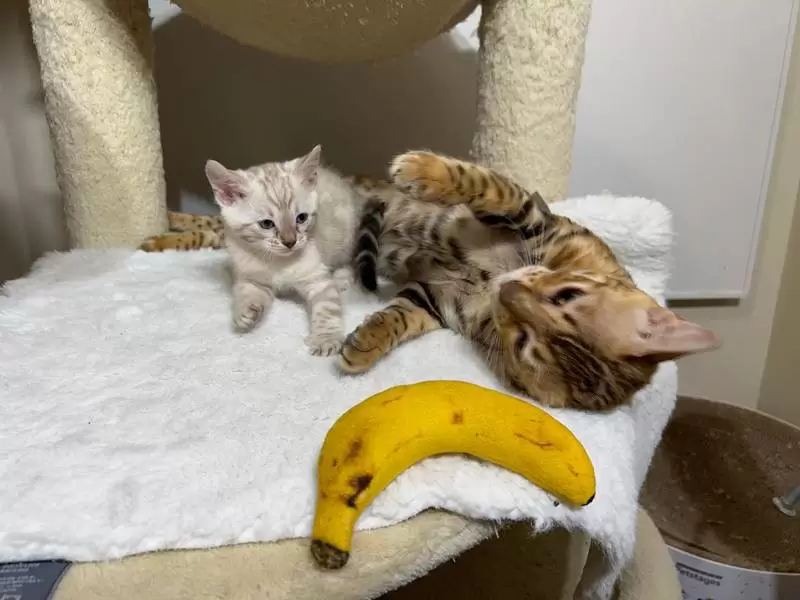
Adapting Your Bengal Kitten to a New York City Home: A Comprehensive Guide
Bringing a new Bengal kitten into your New York City dwelling is an incredibly exciting time. However, for this unique and intelligent breed, a smooth transition is crucial for their well-being and for fostering a strong bond. This guide will walk you through every step, from the initial journey home to creating a nurturing environment in the bustling heart of NYC.
The urban landscape of New York presents its own set of challenges and opportunities for feline companions. Understanding your Bengal’s specific needs and adapting them to city living is key. We’ll cover everything from essential preparations to integrating your kitten into a family that includes children and other pets, ensuring a harmonious coexistence.
Preparing for Your Bengal Kitten’s Arrival in NYC
Before your adorable Bengal kitten even sets paw in your New York apartment or house, diligent preparation is paramount. This involves creating a safe, stimulating, and comfortable environment tailored to their needs, considering the unique aspects of city life.
Designing Your Kitten’s Sanctuary
Your kitten needs a dedicated space where they can feel secure and begin to acclimatize. This should be a tranquil zone, away from high-traffic areas of your home. Think of it as their personal retreat where they can observe and gradually engage with their new surroundings.
Essential Items for Your Kitten’s Space:
- Feeding and Hydration Station: Designate separate areas for food and fresh water. Kittens require consistent access to clean water, crucial for their development and hydration, especially in potentially drier New York apartments.
- Litter Box Placement: Position the litter tray in a quiet, easily accessible location, ensuring it’s well away from their food and water bowls. Cleanliness is vital for Bengal cats, who are known for their fastidious nature.
- Secure Hiding Spots: Provide ample opportunities for your kitten to hide. A simple cardboard box, a cat igloo, or a covered bed can offer a sense of security. This is especially important in a busy city environment where external noises can be overwhelming.
- Elevated Perches: Bengals are natural climbers and love to survey their domain from a height. Install sturdy shelves or a cat tree to satisfy this instinct, offering both exercise and a vantage point to observe the dynamic New York cityscape from a safe distance.
- Comfortable Sleeping Quarters: Offer a soft, cozy bed or a selection of blankets in a quiet corner. Ensure this area is warm and inviting, promoting restful sleep essential for a growing kitten.
- Scratching Post: A good quality scratching post is non-negotiable. It helps your kitten maintain claw health, mark their territory, and engage in natural stretching behaviors. Opt for a tall, sturdy one that can accommodate their growth.
- Engaging Kitten-Safe Toys: Provide a variety of toys that cater to their playful and predatory instincts. Interactive toys like feather wands or laser pointers (used responsibly) are excellent for bonding and exercise. Avoid toys with small parts that could be a choking hazard.
- Securing Potential Hazards: Before your kitten arrives, kitten-proof your home. Secure any open cupboards, electrical cords, or small spaces where they might get into trouble. This is especially important in smaller New York living spaces.
The Journey Home: Transporting Your Bengal Kitten to New York
The trip home from the breeder or shelter is the first step in your Bengal kitten’s adaptation. It’s a critical moment that requires careful planning to minimize stress for your new companion.
Tips for a Smooth Car Journey
- Pre-Journey Meal Management: Liaise with the breeder to limit your kitten’s food intake for a couple of hours before the journey. This significantly reduces the likelihood of vomiting or toileting during transit, ensuring a more pleasant experience for everyone.
- Secure the Carrier: Use a sturdy, well-ventilated cat carrier. Ensure it is placed upright and securely fastened with a seatbelt to prevent any tipping or sliding during motion. This is vital for the kitten’s safety and your peace of mind.
- Climate Control: Avoid directing heating or air conditioning vents directly onto your kitten in the carrier. Maintain a comfortable, consistent temperature within the vehicle.
- Smooth and Quiet Travel: Drive smoothly and cautiously, minimizing sudden stops or accelerations. Keep the noise level in the car low by avoiding loud music or excessive talking.
- Never Leave Unattended: Animal safety is paramount. Never leave your kitten unattended in the car, especially during warmer New York weather, as temperatures can rise rapidly and become dangerous.
- Direct Route Home: Head straight home without unnecessary stops. The sooner your kitten can reach their new, familiar environment, the quicker they will begin to settle.
Introducing Your Bengal Kitten to Their New York Home
Upon arrival, it’s crucial to allow your Bengal kitten to explore their new environment at their own pace. Avoid overwhelming them; patience and gentle encouragement are key to successful integration.
The First Few Days: A Gradual Introduction
Once you’re home, allow your kitten to exit the carrier on their own terms. Let them sniff and investigate their new surroundings. If they choose to hide, do not force them out. Instead, sit quietly in the room, speak in a soft, reassuring voice, and let them come to you when they feel ready. This initial period is about building trust and a sense of security.
Limited room access for the first few days is highly recommended. Confining them to a couple of rooms allows them to acclimate without feeling overwhelmed. As they gain confidence and become more curious, you can gradually expand their access to other areas of your home.
Integrating with Family and Children
Once your kitten is comfortable with you and their immediate surroundings, you can begin introducing other family members. This process should be gradual and always at the kitten’s pace. For shy kittens, a slow introduction prevents them from feeling threatened.
Introducing Kittens to Children
Children are often incredibly excited about a new kitten. Before the first meeting, educate your children on how to interact gently and calmly. Emphasize that the kitten should approach them, not the other way around. Teach them to pet their kitten softly and avoid sudden movements or loud noises. It’s also important to instill in them that kittens need plenty of sleep and shouldn’t be disturbed when resting.
As your kitten becomes more accustomed to your children, they will likely enjoy their playful energy. However, it’s vital to teach children that while kittens play, they also use their teeth and claws. Supervised play with appropriate toys, rather than bare hands or feet, is essential to prevent accidental scratches or bites. This habit formation is crucial for a harmonious family dynamic.
Nourishing Your Growing Bengal: Diet and Feeding
Proper nutrition is foundational for your Bengal kitten’s health and development. Consistency and quality are key to ensuring they thrive in their new New York home.
What to Feed Your Bengal Kitten
Ideally, continue feeding your kitten the same food they were accustomed to at their previous home. Familiar scents and tastes play a significant role in a kitten’s comfort and willingness to eat. This continuity aids in their overall adaptation process.
If you are unsure about their previous diet or are looking to switch, always opt for a high-quality food specifically formulated for kittens. These “complete” foods are nutritionally balanced, providing all the essential vitamins, minerals, and protein your kitten needs for rapid growth and development. Avoid generic cat foods or feeding them anything not intended for felines, such as dog food or human food.
Feeding Frequency for Kittens
Kittens have small stomachs and high energy needs, requiring them to be fed little and often. When your kitten first arrives, aim to replenish their food bowl approximately four times a day. Always ensure a fresh supply of water is available.
As your kitten matures, you will notice a natural shift in their appetite and feeding patterns. By around six months of age, most kittens can transition to being fed twice a day. Older cats may only require their food to be topped up once daily, but always monitor your kitten’s individual needs and consult your veterinarian if you have any concerns about their eating habits.
Socialization and Enrichment for Your New York Bengal
Beyond basic care, ensuring your Bengal kitten receives adequate socialization and mental stimulation is crucial for their well-being, especially in an urban environment like New York.
Socialization Strategies
Early socialization is vital for Bengal kittens. Expose them to a variety of sights, sounds, and gentle interactions from a young age. This helps them develop into well-adjusted, confident adults who are less prone to fear or aggression. Introduce them to different people, including those with varying appearances and ages, and carefully managed positive interactions with other calm, vaccinated pets (if applicable).
In New York, this might involve supervised visits from friends and family, or even introducing them to the sounds of the city from a safe, enclosed space like a catio or a secure window perch.
Mental Stimulation and Play
Bengals are highly intelligent and require significant mental stimulation to prevent boredom and destructive behaviors. Rotate their toys regularly to keep things interesting. Engage in interactive play sessions daily, using toys that mimic prey. Puzzle feeders can also be excellent tools to challenge their minds and slow down their eating.
Consider providing enrichment activities that cater to their adventurous nature. This could include climbing structures, interactive treat dispensers, or even training them to perform simple tricks. The unique environment of New York can be a source of endless fascination for a curious Bengal, but it’s important to channel that curiosity into positive outlets.
Understanding Bengal Specific Needs in an Urban Setting
Bengal cats possess a unique set of characteristics that benefit from specific considerations, particularly when adapting to a vibrant city like New York.
The “Wild” Instincts of Bengals
Despite their domestic lineage, Bengals retain many traits from their wild ancestors, including a love for water, a strong hunting instinct, and a high energy level. In a New York apartment, this means providing ample opportunities for them to expend this energy. Vertical space, climbing opportunities, and vigorous play sessions are essential to prevent them from becoming frustrated or developing behavioral issues.
Their affinity for water can be a fun aspect to cater to; some Bengals enjoy playing in shallow water or even participating in supervised bath time. This can be a novel way to provide enrichment in a city dwelling.
Noise and Stress Management in NYC
New York City is known for its constant hum of activity and noise. This can be overwhelming for a sensitive kitten. Ensure their designated safe space is as soundproofed as possible. Avoid sudden loud noises and introduce them to the sounds of the city gradually. White noise machines can sometimes be helpful in masking external sounds. The use of pheromone diffusers can also aid in creating a calming atmosphere.
Regular routines for feeding, playtime, and affection can provide a sense of predictability and security, which is invaluable for managing stress in a dynamic environment.
Veterinary Care and Health in New York
Ensuring your Bengal kitten receives regular veterinary care is crucial for their long-term health and well-being. Finding a veterinarian experienced with exotic or breeds with specific needs, like Bengals, is highly recommended.
Choosing a Veterinarian
When selecting a vet in New York City, consider their experience with cats, particularly breeds like Bengals that may have certain genetic predispositions or unique health considerations. Ask for recommendations from breeders, cat enthusiasts, or local cat rescue organizations.
Schedule a routine check-up within the first week of bringing your kitten home. This initial visit allows the veterinarian to assess their overall health, administer necessary vaccinations, and discuss deworming, parasite prevention, and microchipping – essential steps for any New York City pet.
Common Health Concerns and Prevention
While Bengals are generally healthy, they can be prone to certain genetic conditions such as hypertrophic cardiomyopathy (HCM) and progressive retinal atrophy (PRA). Responsible breeders will screen their cats for these conditions. Discuss any concerns with your veterinarian and ensure your kitten receives regular health screenings.
Preventative care, including a balanced diet, regular exercise, and a clean living environment, plays a significant role in maintaining your kitten’s health. Stay vigilant for any changes in their behavior, appetite, or physical condition and consult your vet promptly if you notice anything unusual.
Conclusion: A Rewarding Journey with Your Bengal Kitten in NYC
Welcoming a Bengal kitten into your New York home is a journey filled with joy, enrichment, and the development of a profound bond. By understanding their unique needs, providing a stimulating environment, and committing to consistent care, you can ensure your Bengal kitten not only adapts but truly thrives in the vibrant tapestry of city life. Remember that patience, love, and a willingness to learn are your greatest tools in creating a happy and fulfilling life for your feline companion in the heart of New York.
FAQs about Bengal Kitten Adaptation: A New York City Guide
What are the essential items needed to prepare a New York City home for a Bengal kitten?
To prepare your home, create a tranquil zone with designated feeding and hydration stations, a quiet litter box, secure hiding spots, elevated perches, a cozy bed, a sturdy scratching post, and engaging kitten-safe toys. Remember to kitten-proof your home by securing potential hazards.
How should I transport my Bengal kitten home to minimize stress during the journey?
Limit your kitten's food intake a couple of hours before travel. Use a sturdy, well-ventilated carrier securely fastened with a seatbelt. Maintain comfortable, consistent climate control in the vehicle, drive smoothly and quietly, never leave your kitten unattended, and head directly home to reduce stress.
What's the best way to introduce a Bengal kitten to a new NYC home and family members, including children?
Allow your kitten to explore at their own pace, starting with limited room access for the first few days. Gradually introduce family and children. Educate children on gentle, calm interactions, avoiding sudden movements, and respecting the kitten's rest times. Always supervise playtime with appropriate toys.
What should I feed my Bengal kitten, and how often, especially during their first few months?
Ideally, continue feeding the same high-quality, kitten-specific food they had previously. If switching, choose a nutritionally balanced "complete" kitten food. Initially, feed approximately four times a day, transitioning to twice a day by six months of age. Always ensure fresh water is available.
How can I ensure my Bengal kitten receives adequate socialization and mental stimulation in an urban environment?
Provide early socialization by exposing them to various sights, sounds, and gentle interactions. Engage in daily interactive play, rotate toys regularly, use puzzle feeders, and offer climbing structures or interactive treat dispensers to cater to their high intelligence and adventurous nature.
What specific "wild" instincts do Bengals have, and how can they be managed in a New York City apartment?
Bengals possess strong instincts for climbing, hunting, and sometimes playing in water. In an NYC apartment, manage these by providing ample vertical space, sturdy climbing opportunities, vigorous daily play sessions, and safely allowing them to interact with water to satisfy these natural behaviors.
How can I manage noise and stress for a Bengal kitten adapting to New York City?
Ensure their designated safe space is as soundproofed as possible. Gradually introduce them to city sounds, use white noise machines, or pheromone diffusers to create a calming atmosphere. Establish regular routines for feeding, playtime, and affection to provide predictability and security, which helps manage stress.
What should I consider when choosing a veterinarian for my Bengal kitten in New York City?
When choosing a vet in NYC, prioritize one experienced with cats, especially breeds like Bengals that may have specific health considerations. Ask for recommendations from breeders or local cat rescue organizations. Schedule a routine check-up within the first week for a health assessment, vaccinations, and parasite prevention.