

Bengal Kittens for Sale in Boston, MA | Are Bengal Cats Hypoallergenic?
Find Your Perfect Bengal Kitten for Sale in Boston, MA: A Comprehensive Guide
Are you captivated by the exotic beauty and spirited personality of Bengal cats? If you're in the Boston, Massachusetts area and dreaming of welcoming one of these stunning felines into your home, you've come to the right place. This comprehensive guide will navigate you through everything you need to know about purchasing a Bengal kitten, including their temperament, care needs, and importantly, the often-asked question: are Bengal cats hypoallergenic?
Understanding the Allure of the Bengal Cat
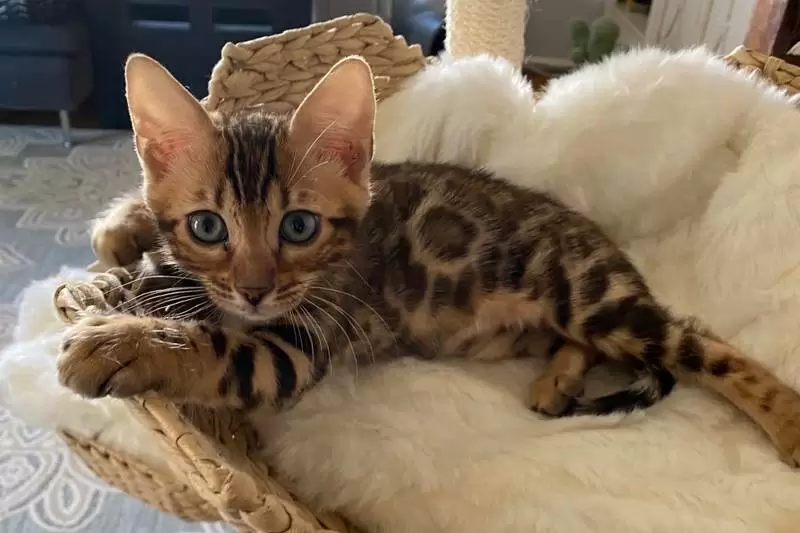
The Bengal cat is a truly unique breed, a result of crossbreeding domestic cats with the Asian Leopard Cat. This heritage imbues them with a distinctive wild appearance, featuring striking rosettes, marbled patterns, and a sleek, muscular physique. Their mesmerizing coats are often described as having a shimmering "glitter" effect, adding to their allure. Beyond their stunning looks, Bengals are renowned for their intelligence, athleticism, and affectionate nature.
Bengal Kittens for Sale in Boston: What to Expect
When searching for Bengal kittens for sale in Boston, it’s crucial to find reputable breeders who prioritize the health, temperament, and well-being of their cats. A good breeder will be transparent about the kitten's lineage, vaccination records, and health screenings. They should also be knowledgeable and passionate about the breed, ready to answer all your questions and guide you in choosing the right kitten for your lifestyle.
What to Look For in a Bengal Kitten
- Health: Ensure the kitten is active, alert, and has clear eyes and ears. Reputable breeders will provide health guarantees.
- Temperament: Kittens should be curious, playful, and not overly fearful. Observe their interactions with littermates and the breeder.
- Appearance: While all Bengals are beautiful, look for clear markings, a well-proportioned body, and a confident demeanor.
- Socialization: Kittens that have been handled and socialized from a young age will generally adapt better to a new home.
Bengal Cat Temperament: More Than Just a Pretty Face
Bengal cats are often misunderstood due to their wild ancestry. However, with proper socialization and training, they make wonderful, engaging pets. They are known for their:
- Intelligence: Bengals are highly intelligent and can be trained to do tricks, walk on a leash, and even use a litter box consistently. Their cognitive abilities are a significant part of their charm.
- Activity Level: These cats are incredibly energetic and require ample opportunities for play and exercise. Think of them as furry acrobats! Engaging them with interactive toys and climbing structures is vital to prevent boredom.
- Affection: Despite their active nature, Bengals can be very affectionate with their families. They often form strong bonds and enjoy cuddling and being involved in household activities.
- Curiosity: Bengals are naturally curious and love to explore their surroundings. They are often fascinated by water, and many enjoy playing in it.
- Vocalization: They tend to be quite vocal, communicating their needs and desires through a variety of meows, chirps, and trills.
How Do Bengal Cats Get Along With Other Animals?
One of the most common concerns for potential Bengal owners is how their new kitten will integrate with existing pets. Bengal cats in Boston are known to be highly active and playful. Many of them get along well with other animals, especially if they are socialized with them from a young age. Some Bengal cats have been known to be friendly with dogs, cats, birds, and even small animals like hamsters and guinea pigs. Their playful nature can sometimes be mistaken for aggression, but with proper introductions, many can coexist harmoniously.
Early and gradual introductions are key. When introducing a Bengal kitten to a resident pet, ensure that each animal has its own safe space and resources. Supervised interaction is crucial in the initial stages to prevent any misunderstandings or conflicts. Providing ample resources, such as separate food bowls, water stations, and litter boxes, can also help reduce territorial disputes. Remember, the success of inter-species relationships depends heavily on individual personalities and the owner's management.
However, it's important to note that each Bengal cat is unique, and their personality and behavior can vary greatly. Some Bengal cats can be quite territorial and aggressive towards other animals, while others may be more laid-back and tolerant. Genetics and early life experiences play a significant role in shaping a cat's social behavior. It is always a good idea to supervise any interactions between Bengal cats and other animals, especially if they are not familiar with each other. This can help to prevent any fights or conflicts from occurring. Additionally, it's always a good idea to provide plenty of toys and other playthings for your Bengal cat to help keep them occupied and reduce any stress or boredom that could lead to negative behaviors towards other animals.
Are Bengal Cats Good Hunters?
Bengal cats are descendants of the Asian leopard cat and are known for their playful and active nature. This wild heritage can sometimes lead to questions about their hunting prowess. While some Bengal cats may show an interest in hunting, their hunting skills are not as developed as those of their wild ancestors. Their instincts might manifest as a strong prey drive, often directed towards toys, laser pointers, or even the occasional insect. However, when kept as indoor pets, they may not have opportunities to hone their hunting instincts in a naturalistic way.
It’s important to understand that hunting is not recommended for domestic cats in a way that harms wildlife. While their natural instincts are present, responsible pet ownership involves redirecting these behaviors into safe and appropriate outlets. This can include providing a variety of hunting-style toys, puzzle feeders that mimic foraging, and engaging in interactive play sessions that simulate chasing and pouncing. This not only satisfies their natural drives but also provides essential mental and physical stimulation. Furthermore, protecting local wildlife is paramount, so ensuring your Bengal does not have unsupervised access to outdoor environments where they could impact native populations is crucial.
Are Bengal Cats Hypoallergenic?
The question of whether Bengal cats are hypoallergenic is a common one for allergy sufferers considering this breed. While some people may claim that Bengal cats are hypoallergenic, this is not entirely accurate. The truth is, no cat breed is entirely hypoallergenic, as all cats produce allergens to some degree. These allergens are primarily found in their saliva, urine, and dander (dead skin cells).
However, some cat breeds may produce fewer allergens or be better tolerated by people with allergies. The protein Fel d 1 is the main allergen responsible for most cat allergies. While it's present in all cats, the amount can vary between individuals and breeds. Bengal cats are not considered a hypoallergenic breed in the strictest sense. They do produce the same allergens as other cats, and some people may still experience allergy symptoms around them. Some individuals with cat allergies have reported that they experience fewer symptoms around Bengal cats compared to other breeds. This could be due to various factors, including differences in the composition or amount of Fel d 1 produced by individual cats.
If you are considering getting a Bengal cat but have allergies, it is important to spend some time around them to see how your body reacts. Visiting a breeder or a cat rescue that has Bengal cats is highly recommended. This will give you a firsthand experience to gauge your reaction. You may also want to consult with an allergist to determine the best course of action for managing your allergies if you do decide to get a Bengal cat. An allergist can provide insights into which breeds might be a better fit for you and offer strategies for managing symptoms, such as regular cleaning, air purifiers, and medication.
Caring for Your Bengal Kitten in Boston
Bringing a Bengal kitten home to Boston requires commitment and understanding of their specific needs:
Diet and Nutrition
A high-quality diet is essential for a Bengal cat's health and energy levels. They thrive on a protein-rich diet. Consult with your veterinarian or breeder about the best food options, whether it’s high-quality commercial cat food, wet food, or a carefully balanced raw diet. Ensure fresh water is always available. Proper nutrition will support their active lifestyle and contribute to a shiny coat.
Exercise and Play
As highly energetic cats, Bengals need significant mental and physical stimulation. Provide a variety of interactive toys, puzzle feeders, and climbing structures like cat trees and shelves. Leash training can also be a rewarding experience, allowing them to explore the outdoors safely under supervision. Consider investing in toys that mimic their natural hunting behaviors, such as feather wands, crinkle balls, and chase toys.
Grooming
Bengal cats have a short, dense coat that requires minimal grooming. Regular brushing, perhaps once or twice a week, will help reduce shedding and keep their coat looking its best. They are generally fastidious groomers, but occasional nail trims and dental care are also part of routine grooming.
Health and Veterinary Care
Regular veterinary check-ups are crucial for your Bengal kitten's health. Ensure they are up-to-date on vaccinations, deworming, and flea/tick prevention. Reputable breeders will screen their breeding cats for common genetic conditions such as hypertrophic cardiomyopathy (HCM) and progressive retinal atrophy (PRA). Discuss any health concerns with your veterinarian. Owning a cat is a long-term commitment, and proactive healthcare is key to a long and happy life for your Bengal.
Finding Reputable Bengal Breeders in the Boston Area
When searching for Bengal breeders in Boston, do your homework. Look for breeders who:
- Are transparent about their breeding practices and health testing.
- Allow you to visit their cattery and meet the parent cats.
- Provide detailed health records and vaccination history for kittens.
- Offer a health guarantee.
- Are passionate about the breed and willing to offer ongoing support.
Online forums, breed-specific clubs, and veterinarian recommendations can be valuable resources for finding reputable breeders. Avoid impulse purchases from pet stores or unverified online sellers, as these sources may not prioritize the health and well-being of the animals.
Choosing the Right Bengal Kitten for Your Lifestyle
Bengal cats are not for everyone. Their high energy levels and intelligence require an owner who is prepared to dedicate time and effort to their care and training. If you lead a busy lifestyle with limited time for interaction, or if you prefer a quiet, passive pet, a Bengal might not be the best fit. However, if you’re looking for an engaging, affectionate, and truly unique companion, a Bengal kitten can bring immense joy and excitement into your life. Consider the commitment before making a decision.
Conclusion: Welcoming a Bengal to Your Boston Home
Bringing a Bengal kitten into your Boston home is an exciting prospect. By understanding their unique needs, temperament, and care requirements, you can ensure a smooth transition and a lifelong bond. Whether you're drawn to their exotic beauty or their playful spirit, a Bengal cat can be an extraordinary addition to your family. Remember to prioritize health, temperament, and responsible sourcing when searching for Bengal kittens for sale in Boston, MA. With the right care and attention, your Bengal companion will undoubtedly provide years of love, laughter, and adventure.
FAQs about Bengal Kittens for Sale in Boston, MA | Are Bengal Cats Hypoallergenic?
Are Bengal cats truly hypoallergenic?
No cat breed is entirely hypoallergenic, as all cats produce allergens, primarily the Fel d 1 protein found in their saliva, urine, and dander. While some individuals with cat allergies report fewer symptoms around Bengal cats compared to other breeds, Bengals are not considered hypoallergenic in the strictest sense. It's recommended to spend time with them to gauge your personal reaction.
What is the typical temperament of a Bengal cat?
Bengal cats are renowned for their intelligence, high energy levels, and affectionate nature. They are active, curious, enjoy exploring, and can often be trained like dogs, even walking on a leash. They are also quite vocal, communicating through various meows and trills, and form strong bonds with their families.
How do Bengal cats usually interact with other pets?
Many Bengal cats can get along well with other animals, especially if they are socialized from a young age. Successful integration relies on early and gradual introductions, ensuring each pet has its own safe space and resources. While individual personalities vary, their playful nature often allows for harmonious coexistence with proper management and supervision.
Are Bengal cats good hunters?
Due to their wild heritage, Bengal cats possess a strong prey drive. However, as domestic pets, their hunting skills are typically directed towards toys, laser pointers, or insects rather than actual wildlife. Responsible pet ownership involves redirecting these natural instincts into safe, interactive indoor play and avoiding unsupervised outdoor access to protect local wildlife.
What should I look for when buying a Bengal kitten in Boston, MA?
When searching for a Bengal kitten in Boston, look for reputable breeders who prioritize health, temperament, and well-being. Ensure they provide health guarantees, vaccination records, and allow you to meet the kitten's parents. Look for kittens that are active, alert, playful, have clear eyes and ears, and have been well-socialized.
What are the essential care requirements for a Bengal kitten?
Bengal kittens need a high-quality, protein-rich diet and significant mental and physical stimulation through interactive toys, puzzle feeders, and climbing structures. Regular veterinary check-ups, vaccinations, and parasite prevention are crucial. Their short, dense coat requires minimal grooming, but occasional brushing, nail trims, and dental care are also important.
How can I find reputable Bengal breeders in the Boston area?
To find a reputable Bengal breeder in Boston, look for those who are transparent about their breeding practices, perform health testing for genetic conditions, allow visits to their cattery, provide detailed health records for kittens, and offer a health guarantee. Online forums, breed-specific clubs, and veterinarian recommendations can also be valuable resources.
Is a Bengal cat a suitable pet for everyone?
Bengal cats are not for everyone due to their high energy levels, intelligence, and need for significant interaction and enrichment. They require an owner who is prepared to dedicate time and effort to their care, training, and play. If you lead a busy lifestyle or prefer a quiet, low-maintenance pet, a Bengal might not be the best fit for your home.