

Cat Litter Tray: Your Comprehensive Guide
The Ultimate Guide to Cat Litter Trays: Choosing, Using, and Maintaining
Navigating the world of cat litter trays can seem daunting, especially for new pet owners. However, understanding the nuances of different types of litter boxes, the best cat litter, and proper maintenance techniques is crucial for a happy, healthy feline companion and a pleasant home environment. This comprehensive guide will equip you with all the knowledge you need to select the perfect litter tray, introduce your cat to it effectively, and maintain optimal cleanliness.
Choosing the Right Cat Litter Tray
The variety of cat litter tray options available can be overwhelming. Each type offers distinct advantages, catering to different cat personalities, owner preferences, and household needs. Consider the following factors when making your selection:
Types of Litter Trays
-
Open Litter Trays
These are the most basic and often the most affordable cat toilet solutions. They are simple, exposed trays that allow your cat easy access. Open litter boxes are generally well-accepted by most cats as they provide a clear view of their surroundings, which can be comforting for many felines. They are also easy to clean, making daily scooping straightforward.
-
Covered Litter Trays
Covered litter trays offer more privacy for your cat and help contain litter scatter and odor. They often come with a door or an opening, which some cats may be hesitant to use initially. If you opt for a covered litter box, ensure it’s well-ventilated and spacious enough for your cat to turn around comfortably without touching the sides.
-
Self-Cleaning Litter Trays
These advanced automatic litter boxes automate the cleaning process, reducing the frequency of manual scooping. They typically utilize a raking or sifting mechanism to separate waste from clean litter. While convenient, they can be a significant investment and some cats may be startled by the noise or movement.
-
Top-Entry Litter Trays
Designed to minimize litter tracking, these top-entry boxes have an opening on the lid. Cats enter and exit through the top, allowing any loose litter to fall back into the box. This is an excellent option for households concerned with litter being tracked throughout the home.
-
Smart Litter Boxes
These are the most technologically advanced cat litter solutions. They can track your cat’s usage patterns, weight, and even detect health issues. While offering unparalleled insights into your cat’s well-being, they come with a high price tag.
Key Factors to Consider
-
Size and Space
The litter box should be at least 1.5 times the length of your cat (excluding the tail). This ensures they have ample room to turn around, dig, and cover their waste comfortably. For kittens or smaller cats, a smaller tray might suffice initially, but be prepared to upgrade as they grow.
-
Your Cat’s Personality and Preferences
Some cats are more private and prefer covered litter boxes, while others feel more secure in an open environment. Observe your cat’s behavior. If they seem anxious or hesitant around their litter box, it might not be the right fit for them. Introducing a new litter box gradually is key.
-
Number of Cats
The general rule of thumb is one litter box per cat, plus one extra. This helps prevent territorial disputes and ensures that each cat has a clean and accessible option, especially in multi-cat households.
-
Ease of Cleaning
No matter which type you choose, daily scooping is essential. Therefore, select a litter box that you can easily access for regular cleaning. Materials like smooth plastic are easier to wipe down than porous ones.
-
Aesthetics and Odor Control
For many owners, the appearance of the litter box in their home is a consideration. Odor control is paramount. Choosing the right cat litter and regular cleaning are the most effective ways to manage odors, but some litter box designs also offer improved ventilation or odor-absorbing features.
Choosing the Right Cat Litter
The type of cat litter you choose significantly impacts your cat’s comfort and your home’s freshness. Here’s a breakdown of common options:
Types of Cat Litter
-
Clay Litter
Traditional clay litter is widely available and often the most affordable. It works by clumping together when wet, making it easy to scoop. Non-clumping clay litter absorbs moisture but requires more frequent full tray changes.
-
Clumping Litter
This popular option forms solid clumps around urine and feces, allowing for easy removal. Clumping litter is efficient for maintaining cleanliness and controlling odors.
-
Silica Gel Litter (Crystal Litter)
These highly absorbent crystals trap moisture and odors effectively, requiring less frequent full changes than traditional litters. Silica gel litter is also lightweight and dust-free.
-
Natural and Biodegradable Litter
Options like pine, wheat, corn, or walnut shell litters are environmentally friendly and often unscented. They are good alternatives for cats with sensitivities or owners prioritizing sustainability. Some eco-friendly cat litters may clump, while others are absorbent.
-
Scented vs. Unscented Litter
While scented litters can mask odors for humans, many cats have sensitive noses and can be put off by strong fragrances. Unscented litter is generally recommended to avoid deterring your cat from using the designated cat toilet.
Introducing Your Cat to the Litter Tray
For kittens, establishing good litter box habits from an early age is fundamental. The training process should be gentle and positive.
-
Placement is Key
Choose a quiet and accessible litter box location, away from high-traffic areas, food and water bowls. Kittens, especially in new environments, can be easily disoriented. Initially, confine your kitten to a smaller area with their kitten litter box, food, and water to help them locate it easily.
-
Timing and Routine
Place your kitten in the litter box after meals, naps, and playtime, as these are common times for them to need to go. Gently scratch the litter with their paw to encourage digging behavior.
-
Positive Reinforcement
When your kitten successfully uses the cat toileting area, offer praise and a small treat. Never punish accidents. Instead, clean them thoroughly with an enzymatic cleaner to eliminate any lingering odors that might attract them back to the same spot.
-
Addressing Hesitancy
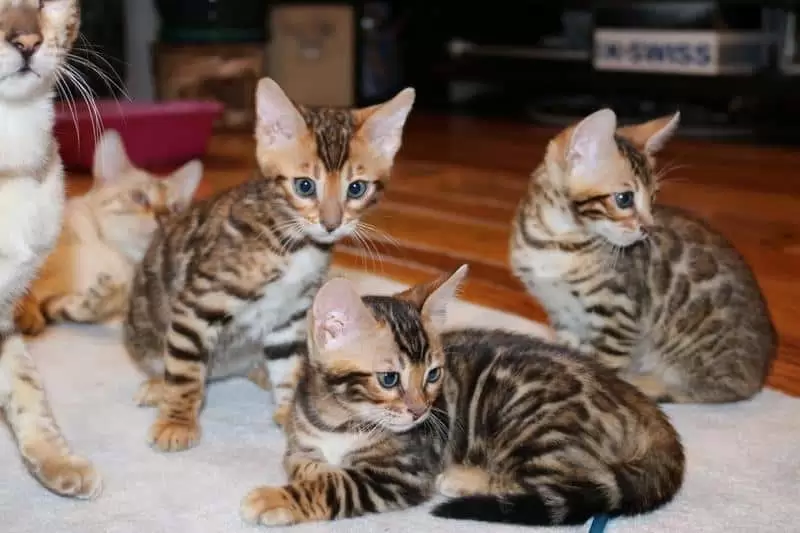
If a kitten seems hesitant, check if the litter is too deep, if the tray is too small, or if there are any strong scents. Try a different type of cat litter. If a kitten is consistently avoiding the tray, consult your veterinarian to rule out any medical issues, such as a urinary tract infection. The original article mentions a Bengal cat mom teaching kittens, which is a great example of early habituation.
Maintaining Litter Box Hygiene
Litter box hygiene is paramount for your cat’s health and preventing household odor issues. Here’s how to keep it sparkling:
Daily Cleaning
-
Scoop Twice a Day
Regularly remove solid waste and urine clumps at least twice a day. This is the single most effective way to keep the litter box fresh and appealing to your cat.
-
Top Up Litter
After scooping, add a small amount of fresh cat litter to maintain the desired depth (usually 2-3 inches).
Weekly and Monthly Cleaning
-
Full Tray Change (Weekly/Bi-Weekly)
Depending on the type of litter and the number of cats, a full litter box refresh should occur weekly or bi-weekly. Empty the old litter, wash the cat litter container with mild soap and water, rinse thoroughly, and dry completely before refilling with fresh litter.
-
Deep Cleaning
For particularly stubborn odors or build-up, a deeper clean might be necessary. You can use a solution of one part white vinegar to ten parts water to disinfect and deodorize the tray. Ensure it’s rinsed thoroughly and completely dry before adding new litter.
Troubleshooting Litter Box Issues
Occasional litter box avoidance can occur. Understanding the common causes can help you address the problem effectively.
-
Medical Problems
Sudden changes in litter box habits can indicate underlying feline health concerns, such as urinary tract infections or kidney issues. Always consult your veterinarian if you suspect a medical problem.
-
A Dirty Litter Box
As mentioned, cats are meticulous. A litter pan that isn’t scooped regularly is a primary reason for avoidance.
-
Improper Litter Tray Placement
If the litter box location is too noisy, in a high-traffic area, or near their food and water, your cat might avoid it.
-
Unsuitable Litter Type
Cats can be sensitive to certain cat litter textures, scents, or depths. Switching to an unscented, clumping litter is often a good first step.
-
Stress and Anxiety
Changes in the household, new pets, or loud noises can cause stress, leading to inappropriate elimination. Ensuring a calm and secure environment for your cat is vital.
Conclusion
Providing your feline friend with a clean, comfortable, and accessible cat littering solution is a cornerstone of responsible pet ownership. By understanding the various litter box types, choosing the right cat litter, and implementing a consistent litter box maintenance routine, you foster a harmonious living environment for both you and your beloved cat. Remember that patience and positive reinforcement are key to successfully training your cat and addressing any litter box-related challenges.
FAQs about Cat Litter Tray: Your Comprehensive Guide
What are the different types of cat litter trays available?
There are several types of litter trays: open litter trays (most basic, easy access), covered litter trays (privacy, odor control), self-cleaning litter trays (automated cleaning), top-entry litter trays (minimizes litter tracking), and smart litter boxes (tracks usage patterns and health data).
How do I determine the right size for my cat's litter box?
The litter box should be at least 1.5 times the length of your cat, excluding the tail. This allows them ample room to turn around, dig, and cover their waste comfortably. Remember to upgrade for kittens as they grow.
How many litter boxes should I have for multiple cats?
The general rule of thumb is one litter box per cat, plus one extra. This helps prevent territorial disputes and ensures each cat has a clean and accessible option.
What are the common types of cat litter, and which is best?
Common types include: clay litter (affordable, clumping or non-clumping), clumping litter (easy waste removal, good odor control), silica gel litter (highly absorbent, lightweight, dust-free), and natural/biodegradable litter (eco-friendly, e.g., pine, wheat, corn). Unscented litter is generally recommended as many cats are sensitive to strong fragrances.
How can I introduce my kitten to their litter tray effectively?
Ensure proper placement in a quiet, accessible area away from food and water. Place your kitten in the litter box after meals, naps, and playtime. Use positive reinforcement with praise and treats for successful usage, and never punish accidents. Address hesitancy by checking litter depth, tray size, or scents.
How often should I scoop my cat's litter box?
You should scoop the litter box and remove solid waste and urine clumps at least twice a day. This is crucial for maintaining freshness and preventing odor issues.
How frequently should I perform a full litter tray change and deep clean?
A full litter tray refresh should occur weekly or bi-weekly, depending on the litter type and the number of cats. Empty the old litter, wash the container with mild soap and water, rinse thoroughly, and dry completely before refilling with fresh litter. For stubborn odors, a solution of one part white vinegar to ten parts water can be used for disinfection.
What are the common reasons a cat might avoid using their litter box?
Common reasons include: underlying medical problems (like UTIs), a dirty litter box, improper placement (too noisy, high-traffic, or near food/water), unsuitable litter type (texture, scent, or depth), or stress and anxiety due to household changes or loud noises.