

Decoding the Bengal Cat Temperament in New York: A Comprehensive Guide
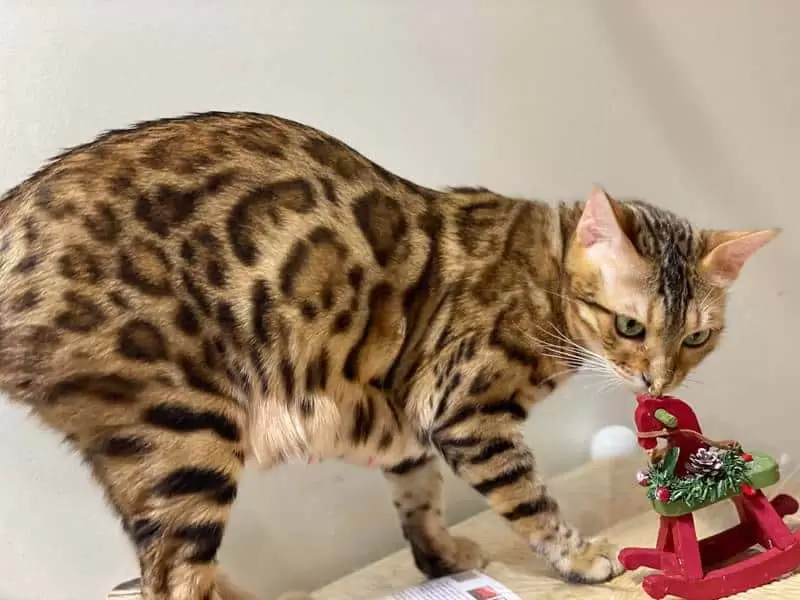
Understanding the Unique Bengal Cat Temperament in New York
The allure of the Bengal cat is undeniable, and their captivating appearance often sparks interest among prospective pet owners. In the bustling environment of New York City, where space and lifestyle can be significant considerations, understanding the temperament of these unique felines is paramount. Often described as wild at heart yet domesticated in spirit, Bengals possess a complex set of characteristics that set them apart from their more conventional feline counterparts. This comprehensive guide delves deep into what makes a Bengal cat tick, with a particular focus on how their traits manifest and can be managed within an urban setting like New York.
You will frequently encounter cautionary advice that suggests owning a Bengal cat might not be suitable for first-time cat owners. This is not to discourage potential enthusiasts but rather to prepare them for the distinctive needs and behaviors of this breed. The warnings generally stem from their naturally high energy, intense curiosity, and a certain level of independence that can be overwhelming if one is not prepared for the commitment. However, for the right owner, a Bengal cat can be an incredibly rewarding companion, bringing a unique dynamism and engaging presence into their lives, even within the confined spaces of a New York apartment.
Bengal cats are renowned for their lively, social, and exceptionally intelligent nature. Their energetic disposition is a defining characteristic, a direct inheritance from their wild ancestors, notably the Asian Leopard Cat. This genetic lineage imbues them with a spirit that craves stimulation and interaction. While some may perceive this as "too much" to handle, for individuals who appreciate an interactive and engaged pet, this energetic nature is precisely what makes Bengals so appealing. It’s crucial for potential owners in New York, or anywhere for that matter, to honestly assess their own lifestyle and personality to ensure a harmonious match.
The Rowdy Charm of Bengal Cats
One of the most talked-about aspects of the Bengal cat's temperament is their tendency towards being quite rowdy. At times, they can even appear a touch "crazy" to the uninitiated. This exuberance is a direct consequence of their wild genetics. While domestic cats are bred for companionship and a calmer demeanor, Bengals retain a spark of their wild ancestry, which translates into bursts of playful energy and a zest for life that can be quite pronounced. This is not a sign of aggression or ill-temper, but rather a manifestation of their innate drive to explore, play, and express themselves.
The wild genetics are the primary differentiator that sets Bengals apart from most other domestic cat breeds. This means that while your neighbor's Persian might be content with a nap in a sunbeam, your Bengal might be staging an elaborate hunt for a dust bunny or engaging in acrobatic feats across your furniture. Each Bengal cat is an individual, and their level of rowdiness can vary. However, you can generally expect them to be loud, playful, and hyperactive, especially during their first year of life. During this period, they are akin to toddlers, exploring everything with boundless energy and a desire to interact with their surroundings.
As your Bengal matures, you will likely observe a calming down. The initial ferocity of their youthful energy typically mellows into a more manageable, though still active, adult temperament. They may become less verbal and less prone to constant bursts of hyperactivity. However, the core of their playful spirit often remains. This is why providing consistent opportunities for play and mental stimulation is so vital for Bengals, even as they grow older. In a New York apartment, this might involve dedicated play sessions, interactive toys, and vertical spaces for them to explore.
Affection and Intelligence: The Brainy Companion
Beyond their energetic nature, Bengal cats are consistently ranked among the most intelligent cat breeds. This intelligence manifests in several ways, including their remarkable ability to communicate with their owners more effectively than many other breeds. They are highly curious about their environment, constantly observing, learning, and problem-solving. This curiosity, coupled with their intelligence, means they can often figure out how to open cabinets, operate certain toys, or even mimic sounds.
One of the most cherished traits of Bengals is their capacity for forming strong and lasting bonds with their chosen humans. While they are known for their independence, this does not preclude them from being deeply affectionate. The way they display this affection can vary significantly from cat to cat. Some Bengals will be natural lap cats, seeking out your company for cuddles and enjoying sleeping at your feet or beside you throughout the night. Others may prefer to show their love in more subtle ways, by simply being present in the same room, following you from room to room, or engaging in playful interactions that signify their contentment and trust.
It's important to manage expectations when it comes to affection. If you are seeking a cat that will passively sit on your lap for hours, a Bengal might not always fit that mold. Their desire for interaction often takes the form of play and engagement rather than constant physical contact. However, if you appreciate a cat that is actively involved in your life and shows its love through playful antics, attentive presence, and the occasional cuddle, then a Bengal is an excellent choice. Their intelligence and communicative abilities make the bond you share feel particularly deep and meaningful.
Training and Behavior: Cultivating a Well-Behaved Bengal
Despite their inherent energy and wilder instincts, Bengal cats are remarkably easily trained and can quickly learn to exhibit well-behaved manners. Their intelligence plays a significant role here; they are eager to learn and respond positively to consistent guidance. This makes house-training, litter box use, and even more complex behaviors achievable with patience and the right techniques.
Over time, your Bengal will learn what behaviors are acceptable and which are not. This includes reducing undesirable actions such as spraying or scratching furniture. The key is clear communication and consistent reinforcement. Bengals, like most intelligent animals, thrive on understanding boundaries and expectations. Providing them with appropriate outlets for their energy and natural instincts, such as scratching posts and plenty of toys, is the first step.
When it comes to training, the most effective method for Bengals is positive reinforcement. This approach focuses on rewarding good behavior rather than punishing bad behavior. Punishment can lead to fear, anxiety, and a breakdown of trust, which is counterproductive for such an intelligent and sensitive breed. Instead, embrace methods that make learning a rewarding experience for your Bengal.
Examples of positive reinforcement techniques include:
- Treats: Small, high-value treats can be incredibly motivating for a Bengal.
- Clicker Training: The clicker acts as a marker for correct behavior, followed by a reward.
- Verbal Praise: An enthusiastic "Good boy/girl!" can go a long way.
- Petting and Affection: When your Bengal engages in a desired behavior, offer gentle petting and praise.
- Catnip: For some cats, a touch of catnip can be an excellent reward.
- Play: Engaging them in a short, fun play session can also serve as a reward.
Building a well-behaved Bengal cat requires understanding their unique needs. Provide them with ample attention, engage them in regular play and mental stimulation, and consistently apply positive reinforcement techniques. With patience and dedication, your Bengal will develop into a well-adjusted, delightful, and well-mannered companion, perfectly at home in the vibrant landscape of New York City.
Bengal Cats in the New York City Environment
Living with a Bengal cat in New York City presents a unique set of challenges and rewards. The often compact living spaces of apartments can seem restrictive for a breed known for its energy. However, with strategic planning, it's entirely possible to create a stimulating and fulfilling environment for your Bengal.
Vertical Space is Key: In a city where horizontal space is at a premium, think vertically. Cat trees, wall-mounted shelves, and perches can provide your Bengal with ample opportunities to climb, explore, and survey their domain, mimicking their natural inclination to seek high vantage points. This is especially important for Bengals who may not have access to an outdoor space.
Interactive Play and Mental Stimulation: Daily dedicated play sessions are non-negotiable. This can include using feather wands, laser pointers (used responsibly, always ending with a tangible reward), or puzzle feeders that challenge their intelligence. Rotating toys can also keep their interest piqued and prevent boredom. For Bengals, play is not just fun; it's a vital outlet for their energy and an essential part of their mental well-being.
Socialization: While Bengals form strong bonds with their owners, early and consistent socialization is still important. Introducing them to different sights, sounds, and even gentle interactions with trusted people can help them adapt to the diverse stimuli of city life. This might involve controlled introductions to well-behaved, vaccinated pets if you have them, or simply exposing them to the normal sounds of your apartment building and street.
Water Fascination: A quirky but common trait among Bengals is their fascination with water. Many enjoy playing in or even swimming in water. While you might not have a pool in your apartment, you can cater to this by providing supervised water play opportunities, such as a shallow bin of water with floating toys, or simply allowing them to observe if you are using the sink or bathtub. Be sure to supervise closely to ensure safety and prevent accidental drownings or water damage.
Diet and Nutrition: A high-quality diet is crucial for maintaining the health and energy levels of an active breed like the Bengal. Investing in premium cat food that is rich in protein and essential nutrients will support their athletic build and cognitive function. Consult with your veterinarian in New York about the best dietary recommendations for your specific Bengal.
Veterinary Care: Regular veterinary check-ups are essential for all pets, but particularly for breeds with specific genetic predispositions. Your New York veterinarian can provide guidance on breed-specific health concerns and ensure your Bengal receives the necessary vaccinations and preventative care to thrive in the urban environment.
Addressing Common Bengal Temperament Myths
It's important to address some common misconceptions about Bengal cat temperaments to provide a balanced perspective.
Myth: Bengals are untamable wild cats. Reality: While they have wild ancestry, Bengals are domesticated cats bred for companionship. With proper training and socialization, they are highly adaptable and well-behaved pets.
Myth: Bengals are too aggressive for families with children. Reality: Like any cat, individual temperament varies. Bengals that are well-socialized from a young age and live in stable, positive environments can be excellent companions for children. Supervision is always recommended for any pet-child interaction.
Myth: Bengals are destructive and difficult to live with. Reality: Their high energy can lead to destructive behavior if not properly channeled. Providing adequate exercise, mental stimulation, and appropriate outlets for their natural instincts (like scratching posts) significantly mitigates these issues.
Myth: Bengals are aloof and not affectionate. Reality: While their affection might be expressed differently than a lap cat, Bengals form deep bonds and are often very engaged with their owners. Their playful interactions and constant presence are forms of affection.
Conclusion: The Rewarding Bengal Experience in NYC
Owning a Bengal cat in New York City is an adventure. They are a breed that demands attention, engagement, and a willingness to embrace their unique spirit. Their playfulness, intelligence, and capacity for deep affection make them incredibly rewarding companions for the right owners. By understanding their specific needs, providing consistent training and stimulation, and creating a safe and enriching environment, you can ensure your Bengal thrives, bringing a remarkable amount of joy, laughter, and exotic charm into your urban life. The key to a successful relationship with a Bengal lies in preparation, patience, and a genuine appreciation for the captivating creature they are.
FAQs About Bengal Cat Temperament in New York
Are Bengal cats suitable for first-time cat owners in New York City?
While often cautioned against for first-timers due to their high energy and unique needs, well-prepared owners can find Bengal cats incredibly rewarding companions. It requires understanding their distinctive commitment and behaviors.
What are the main temperament characteristics of a Bengal cat?
Bengal cats are renowned for being lively, social, and exceptionally intelligent, with a high-energy disposition inherited from their wild ancestors. They are often described as playful, vocal, and quite active, especially during their first year of life.
Are Bengal cats affectionate, or are they too independent?
Bengals can form strong, lasting bonds with their owners. While they are known for their independence, they are deeply affectionate. Their affection might manifest as being a lap cat, following you around, or engaging in playful interactions rather than constant cuddles.
Can Bengal cats be trained, and what are the best methods?
Yes, Bengal cats are highly intelligent and remarkably easy to train. The most effective method is positive reinforcement, utilizing treats, clicker training, verbal praise, petting, catnip, or engaging play sessions to reward desired behaviors.
How can a Bengal cat's high energy be managed in a New York City apartment?
In NYC apartments, it's crucial to utilize vertical space with cat trees, wall-mounted shelves, and perches. Provide daily dedicated play sessions with interactive toys and puzzle feeders, and rotate toys to keep them mentally stimulated and prevent boredom.
Do Bengal cats have a "wild" or "destructive" temperament?
While Bengals have wild ancestry and high energy, they are domesticated. Destructive behavior typically stems from unchanneled energy. Providing adequate exercise, mental stimulation, and appropriate outlets like scratching posts can significantly mitigate these issues.
Is it true that Bengal cats are aggressive towards children?
This is a common myth. Well-socialized Bengals from a young age, living in stable, positive environments, can be excellent companions for children. As with any pet, supervision with children is always recommended.
Do Bengal cats have any unusual traits, like an interest in water?
Yes, a quirky but common trait among Bengals is their fascination with water. Many enjoy playing in or even attempting to swim. You can cater to this by providing supervised water play opportunities, such as a shallow bin with floating toys.