

Do Bengal Cats Drink a Lot of Water in New York City?
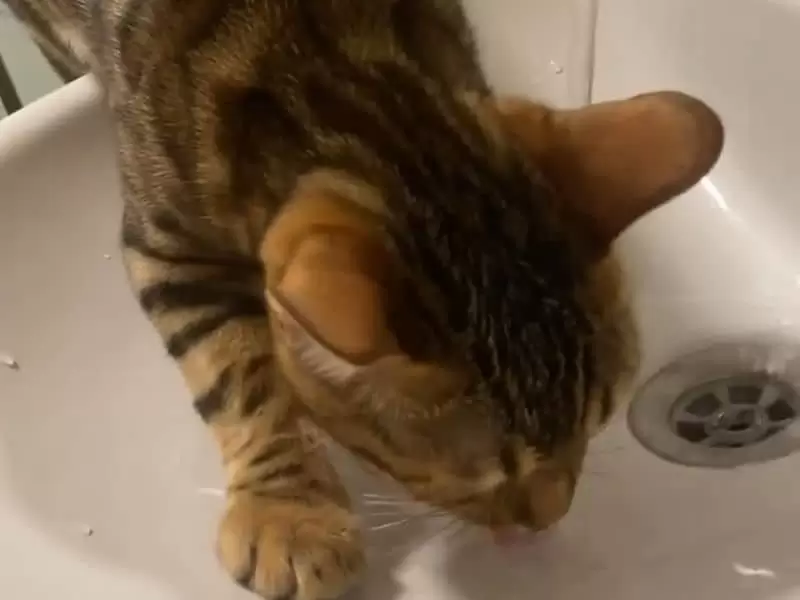
Understanding Bengal Cat Hydration: A Comprehensive Guide for New York City Owners
The health and well-being of our feline companions are paramount, and for Bengal cats, paying close attention to their hydration levels is a critical aspect of responsible pet ownership. A common question among Bengal owners, particularly those residing in dynamic environments like New York City, is: Do Bengal cats drink a lot of water? This article delves deep into the nuances of Bengal cat hydration, providing essential insights for owners to ensure their cherished pets remain healthy and thriving.
Bengal Cat Water Consumption: What's Normal?
It's fundamentally important to continuously monitor the food and water intake of your Bengal cat. Deviations from their typical consumption can be an early indicator of underlying health issues. If your Bengal cat is not consuming an adequate amount of food or, more specifically, water, it can lead to a variety of health problems, potentially requiring prompt veterinarian help.
Average Daily Water Needs
As a general guideline, the average adult domestic cat requires approximately 10-20 ounces of water per day. This figure can fluctuate based on several factors, including the cat's age, breed, and overall size. For our distinctive Bengal cats, adult individuals should ideally be consuming at least 15 ounces of water daily.
Dietary Influence on Hydration
The type of food you provide your Bengal has a significant impact on their overall water intake. If you are feeding your Bengal cat a raw meat diet, they will naturally obtain a substantial portion of their required hydration directly from the moisture content of the meat itself. This aligns closely with their evolutionary dietary patterns, as Bengal cats are known to thrive on a raw meat-based diet. Consequently, when fed raw meat, they will require less water from external sources.
Conversely, if your feeding regimen for your Bengal includes dry cat food or canned cat food, your Bengal will consequently need to drink a considerably larger amount of water independently. This is because dry kibble has a very low moisture content, necessitating increased fluid intake from their water bowl.
How Often Should a Bengal Cat Drink Water Daily?
The frequency of water consumption is another key indicator of hydration status. A Bengal cat that is not on a raw meat diet should ideally be drinking water at least 5 times per day. This consistent access and consumption help maintain optimal fluid balance.
In stark contrast, if your Bengal cat is already consuming a raw meat diet, its drinking frequency might be lower, needing to drink only 1-3 times per day. Despite this lower frequency, they will likely be fully hydrated due to the moisture content in their food.
Signs of Dehydration in Bengal Cats
If you are feeding your Bengal cat dry food and observe that they are drinking water less than 5 times per day, or if they don't appear to be drinking a significant amount of water each time they do, it's a potential indicator that your Bengal might be dehydrated. Recognizing and addressing dehydration promptly is crucial for their health.
Recognizing Dehydration: Practical Tests
- Skin Turgor Test: A common method to assess hydration is the skin turgor test. Gently grasp the loose skin on the nape of your Bengal's neck and lift it slightly. Observe how quickly the skin retracts after you release it. If the loose skin around your Bengal’s neck retracts slowly, it may be a sign of dehydration. In a well-hydrated cat, the skin should snap back into place quickly.
- Coat Condition: Another indicator of your Bengal's hydration status is the sheen of its fur. A fully hydrated and healthy Bengal cat should possess a shiny, soft, and lustrous coat. A dull, dry, or brittle coat can sometimes suggest inadequate fluid intake.
Behavioral Changes Associated with Dehydration
Beyond physical signs, changes in behavior can also signal dehydration. Bengal cats that are not consuming enough water will often exhibit increased lethargy and lower energy levels. They may become less playful and withdrawn. Therefore, it's vital to keep a close eye out for any significant shifts in your Bengal's behavior, especially if you suspect they are not drinking enough fluids.
The Quality of Water Matters: Hydration in New York City
The kind of water a Bengal cat drinks can indeed play a role in their overall health and willingness to hydrate, especially in an urban environment like New York City. The fundamental principle to remember is that the closer you can bring your Bengal's food and water intake to what they would naturally consume in the wild, the healthier your Bengal will be. In their natural habitat, Bengal cats are predators that consume smaller animals and a raw meat diet, which is inherently rich in moisture.
Mimicking Natural Water Sources
If a raw meat diet is challenging to implement consistently, and you find yourself relying on dry food for your Bengal, it becomes even more critical to ensure they have constant access to fresh, clean water throughout the day. Bengals have specific preferences regarding their water sources.
Bengals have a natural preference for fresh water. They may even refuse to drink from a bowl if the water has been sitting stagnant for an extended period. This instinctual behavior is precisely why you might observe your Bengal cat opting to drink from the toilet instead of their designated water bowl. The running water in a toilet bowl mimics the natural, flowing water sources found in the wild, which signals to the cat that the water is safe and fresh for consumption.
Enhancing Water Palatability
To encourage your Bengal to drink more, consider enhancing their water. The best type of water for a Bengal cat to drink, according to experts and observations, is clean water that contains small amounts of beneficial minerals, often supplemented with a touch of chicken broth. The addition of chicken broth can significantly increase the palatability of the water, making your Bengal more inclined to drink it. Furthermore, the presence of added minerals can help ensure your Bengal remains healthy and does not suffer from any micronutrient deficiencies.
Environmental Factors & Bengal Hydration in NYC
Living in New York City presents unique environmental factors that could influence a Bengal cat's hydration. The bustling urban environment, coupled with indoor living spaces often regulated by heating and air conditioning systems, can affect a cat's hydration needs. Dry indoor air, especially during winter months when heating systems are in full operation, can lead to increased fluid loss through respiration and skin. Conversely, humid summers might lead to less perceived thirst, but it's still crucial to ensure adequate intake.
Water Bowl Placement and Type
Consider the placement and type of water bowls you use. Placing multiple water stations throughout your New York City apartment or house can encourage more frequent drinking. Some Bengals prefer ceramic or stainless steel bowls over plastic, as plastic can sometimes retain odors or leach chemicals. Experimenting with different bowl materials might reveal your Bengal's preference.
The Appeal of Fountains
Given their natural inclination towards moving water, many Bengal owners find that cat water fountains are an excellent solution. These devices continuously circulate and filter water, providing a fresh, aerated source that mimics natural streams. The constant movement and sound of the water can be highly enticing to Bengals, encouraging them to drink more readily than they might from a still bowl.
Monitoring Your Bengal's Hydration: A Proactive Approach
Proactive monitoring is key to preventing dehydration and associated health issues. Regularly observe your Bengal's drinking habits. Note the amount of water in their bowl at the beginning and end of the day. While exact measurements can be tricky, a general sense of consumption is valuable.
When to Seek Veterinary Advice
Never hesitate to consult with your veterinarian if you have any doubts or concerns about your Bengal cat's hydration. They can provide personalized advice based on your cat's specific health profile, age, and lifestyle. Early detection and intervention are always the best course of action for any potential health concern.
Hydration and Bengal Cat Health
Adequate hydration is essential for numerous bodily functions in cats, including:
- Kidney function: Proper hydration helps the kidneys filter waste products efficiently.
- Digestive health: Water is crucial for nutrient absorption and preventing constipation.
- Temperature regulation: Cats rely on water for maintaining their body temperature.
- Joint health: Water is a component of synovial fluid, which lubricates joints.
- Skin and coat condition: Hydration contributes to healthy, supple skin and a glossy coat.
Potential Risks of Chronic Dehydration
Chronic dehydration can contribute to a range of serious health problems, including:
- Urinary tract infections (UTIs) and bladder stones
- Kidney disease
- Constipation
- Heatstroke
Conclusion: Ensuring Your Bengal Stays Hydrated in NYC
In summary, while the question "Do Bengal cats drink a lot of water in New York City?" doesn't have a single, universal answer, understanding their specific needs and preferences is paramount. By offering a balanced diet (ideally including raw components or supplementing with moisture), providing constant access to fresh water, considering water fountains, and being vigilant about behavioral and physical signs of dehydration, Bengal cat owners in New York City can effectively ensure their beloved companions remain well-hydrated and healthy. Remember, a hydrated cat is a happy and healthy cat.
FAQs about Bengal Cat Hydration in New York City
Do Bengal cats in New York City typically drink a lot of water?
The amount of water a Bengal cat drinks isn't universally fixed, but rather depends on several factors, including their diet, activity level, and environmental conditions common in New York City. Understanding their specific needs and preferences is key to ensuring proper hydration.
How much water should an adult Bengal cat drink daily?
As a general guideline, an adult Bengal cat should ideally consume at least 15 ounces of water daily. This amount can fluctuate based on their age, size, and overall health.
How does a Bengal cat's diet affect its water intake?
Diet significantly impacts hydration. Bengal cats on a raw meat diet will naturally obtain substantial moisture from their food, requiring less external water. Conversely, those fed dry kibble or canned food will need to drink considerably more water independently due to the low moisture content in processed foods.
How often should a Bengal cat drink water each day?
If your Bengal cat is not on a raw meat diet, they should ideally drink water at least 5 times per day. For Bengals consuming a raw meat diet, their drinking frequency might be lower, around 1-3 times per day, as they get ample moisture from their food.
What are the signs of dehydration in Bengal cats?
Signs of dehydration include slow skin retraction during a skin turgor test (on the nape of the neck), a dull, dry, or brittle coat, and behavioral changes such as increased lethargy, lower energy levels, or withdrawal from play.
What type of water is best for Bengal cats, especially in an urban environment like NYC?
Bengals prefer fresh, clean water. The best type of water contains small amounts of beneficial minerals and can be enhanced with a touch of chicken broth to increase palatability. Ensuring constant access to fresh water is crucial, particularly in urban settings with varying tap water quality.
How can I encourage my Bengal cat to drink more water in my New York City apartment?
To encourage more drinking, place multiple water stations throughout your apartment. Experiment with ceramic or stainless steel bowls, as some Bengals prefer them over plastic. Cat water fountains are often highly effective, as the circulating and filtered water mimics natural streams, appealing to their instinctual preference for moving water.
Why is proper hydration so important for a Bengal cat's overall health?
Adequate hydration is vital for numerous bodily functions, including efficient kidney function, healthy digestion, temperature regulation, joint lubrication, and maintaining a glossy coat. Chronic dehydration can lead to serious health issues such as urinary tract infections, bladder stones, kidney disease, constipation, and heatstroke.