

Do Bengal Cats Get Along With Other Cats in New York City?
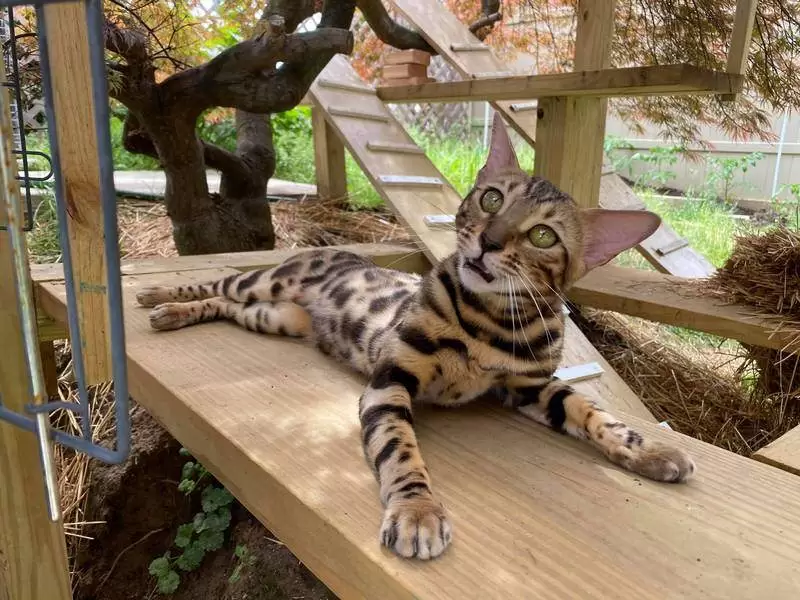
Understanding Bengal Cat Compatibility with Other Felines in New York City
For devoted pet owners considering adding a Bengal cat to their New York City household, one of the most pressing concerns is their compatibility with other cats. This is a crucial consideration before welcoming these stunning, exotic-looking felines into a multi-pet environment. Fortunately, for many, the answer is positive, with a significant caveat: the energy levels and personalities of the resident feline(s).
In the majority of scenarios, Bengal cats can integrate seamlessly with other cat breeds. The key determinant for a harmonious coexistence often lies in the willingness of other cats to engage in play and match the Bengal's vibrant spirit. When other household cats possess a similar zest for life and are inclined towards interactive play, the integration process is typically smooth and successful. This shared enthusiasm for activity fosters a bond built on mutual enjoyment and reduces the likelihood of friction.
However, the dynamic shifts when the resident cats are more laid-back or have a lower energy threshold. A Bengal’s insatiable desire for stimulation and play can be overwhelming for a more sedentary cat. This disparity in energy levels can lead to the Bengal inadvertently "wearing out" its companions, potentially resulting in personality clashes that negatively affect the well-being of the less active felines. The high-octane nature of Bengals means that quieter cats might experience increased anxiety and nervousness, as they are constantly subjected to a level of activity they are not accustomed to or do not desire.
To effectively bridge this gap in personalities and ensure a peaceful multi-cat household in the bustling environment of New York City, proactive owner involvement is paramount. Dedicating sufficient playtime with your Bengal cat and providing ample mental and physical stimulation will significantly mitigate its tendency to annoy or overwhelm other cats. When a Bengal’s energy needs are met, they are far more likely to be content and less inclined to seek out constant interaction, thereby allowing for a more relaxed atmosphere for all feline residents.
The willingness of an owner to commit to an active enrichment routine for their Bengal is the most significant factor in ensuring successful cohabitation. If this commitment is met, then the Bengal cat is indeed capable of coexisting harmoniously with other cats, regardless of their breed.
Investigating Aggression in Bengal Cats Towards Other Felines
Bengal cats have earned a reputation for their relentless playfulness and exceptionally high energy levels. While this boundless vitality can indeed be taxing for less energetic feline companions, it’s vital to differentiate this high spirit from true aggression. Generally, Bengals are not inherently aggressive towards other cats.
The primary motivation behind a Bengal’s often boisterous interactions is usually a desire to play. They do not typically harbor malicious intent when engaging with other cat breeds. The vigorous pouncing, scratching, and playful ambushing that Bengals are known for can easily be misinterpreted as aggression by those unfamiliar with the breed’s unique characteristics. These behaviors are often their way of releasing pent-up energy and are considered a healthy outlet for their natural instincts.
It’s important for owners to observe their Bengal’s behavior closely. If a Bengal consistently exhibits overt aggression towards other cats, this is a clear indication that the behavior needs to be addressed promptly. This involves helping the Bengal understand appropriate social boundaries with its feline housemates. Establishing clear limits is crucial for the safety and emotional well-being of all pets in the home.
In instances where a Bengal’s play becomes too rough, leading to actual injuries to other cats, immediate separation may be necessary. If such aggressive tendencies persist despite intervention, owners may need to consider finding a new home for one of the cats. This is often the most responsible course of action to ensure that both animals can thrive in an environment that better suits their individual needs and temperaments. The goal is always to achieve a harmonious household, and sometimes this requires difficult decisions.
Identifying Ideal Companion Breeds for Bengals in New York City
Bengal cats possess a remarkable capacity to bond with a wide array of other cat breeds. While they can theoretically get along with any feline, their intrinsic nature gravitates towards companions who can match their high energy levels and playful disposition. Therefore, breeds that share these traits often prove to be the most compatible matches.
Highly Compatible Cat Breeds for Bengals:
- Bombay cats: Known for their playful and affectionate nature, Bombays often have the energy to keep up with a Bengal.
- Oriental cats: These active and intelligent cats often enjoy interactive play and can engage a Bengal’s keen mind.
- Siamese cats: With their vocal and energetic personalities, Siamese cats can be excellent playmates for Bengals.
- Sphynx cats: Despite their unique appearance, Sphynx cats are typically very social and playful, often enjoying energetic interactions.
- Savannah cats: As a breed with some shared ancestry with Bengals, Savannahs often possess similar high energy and a love for play.
- Somali cats: These active and curious cats are known for their playful antics and engagement, making them good companions.
- Tonkinese cats: A blend of Siamese and Burmese, Tonkinese cats are often social, playful, and adaptable.
- Burmese cats: Known for being social and playful, Burmese cats can often match a Bengal's energy.
- Ocicat cats: These spotted cats are energetic and enjoy playtime, making them suitable companions.
- Abyssinian cats: Abyssinians are highly active, curious, and playful, often enjoying a challenging playmate like a Bengal.
It is crucial to remember that the individuality of each cat plays a significant role. While certain breeds may be predisposed to compatibility, every Bengal cat possesses a unique personality. Consequently, it is entirely possible for a Bengal to form a strong bond with a cat of any breed, even those not listed above, without encountering significant problems. The success of any inter-cat relationship hinges on more than just breed; it depends on individual temperament, socialization, and the environment provided by the owner.
Generally, introducing Bengals to other cats that are similar in age and can match their energy requirements can be beneficial. This is not to say that a Bengal will inevitably cause issues if its companions cannot keep up. Instead, it highlights that a shared capacity for robust play can lead to a more balanced and less one-sided dynamic within the household. Ultimately, the owner’s role in managing introductions, providing adequate resources, and facilitating positive interactions remains the cornerstone of successful multi-cat living in New York City and beyond.
Maximizing Bengal Cat Social Harmony in New York Apartments
The vibrant, fast-paced lifestyle of New York City often means that many residents share their living spaces with multiple domestic animals. For those who own or are considering owning a Bengal cat in such an environment, the question of their social compatibility with other cats is of paramount importance. Understanding the unique traits of the Bengal breed is the first step towards ensuring a peaceful and enriching home for all involved.
In most instances, Bengal cats demonstrate an amiable disposition towards other felines. The critical factor for successful integration lies in the energy levels and willingness to engage in play of the other cats in the household. When resident cats possess a similar zest for life and are inclined towards active participation, the Bengal typically finds a fulfilling playmate, leading to a harmonious coexistence.
Conversely, a significant mismatch in energy can lead to challenges. If the resident cats are more docile and prefer a more relaxed lifestyle, the high-energy Bengal can inadvertently overwhelm them. This constant demand for interaction can exhaust the less active cats, potentially creating stress and friction, which can negatively impact the overall well-being of the less energetic felines. The inherent intensity of a Bengal can cause a more sedentary cat to experience heightened anxiety and nervousness.
To counteract these potential issues and foster a balanced multi-cat environment within a New York City dwelling, owners must actively participate in managing their Bengal’s behavior. Providing ample opportunities for exercise and mental stimulation is key. This includes dedicating significant time to interactive play sessions tailored to the Bengal’s needs. By satisfying their innate drive for activity, owners can significantly reduce the likelihood of the Bengal becoming a disruptive force and increase the chances of peaceful integration amongst all feline residents.
When an owner is committed to meeting the Bengal cat’s substantial energy requirements through dedicated playtime and enrichment, the breed’s capacity to coexist amicably with other cats is substantially enhanced. This proactive approach is fundamental to creating a serene and enjoyable living situation for every member of the animal family.
Addressing Potential Aggression in Bengal Cats Towards Other Felines
Bengal cats are renowned for their vigorous activity levels and high energy. While this characteristic can sometimes lead to them wearing out their feline companions, it is important to distinguish this intense playfulness from genuine aggression. The vast majority of Bengal cats do not exhibit overt aggression towards other cats.
Their interactions are typically driven by a desire to play and explore. When a Bengal cat playfully pounces, scratches, or swats at objects, other cats, or even human feet, it is usually an expression of their natural instincts and a way to expend energy, rather than an act of malice. This behavior, while sometimes startling, is a healthy outlet for their natural behaviors and should not automatically be interpreted as aggression.
However, it is crucial for owners to monitor these interactions. If a Bengal cat consistently displays actual aggression towards other cats, this situation requires immediate attention. It signals that the Bengal needs to learn appropriate boundaries and social cues within the multi-cat household. Encouraging gentle play and redirecting overly rough behavior is essential.
In cases where a Bengal's play leads to physical injury of other pets, separation of the animals may become necessary. If such aggressive tendencies persist despite these interventions, owners might face the difficult decision of rehoming one of the cats. This is often done to ensure the safety and well-being of all animals involved and to provide each cat with an environment where they can thrive without fear or undue stress. The ultimate goal is a harmonious and safe living situation for everyone.
Identifying Compatible Cat Breeds for Bengals in New York City
Bengal cats possess a remarkable ability to integrate into households with a wide range of other cat breeds. While their compatibility is not limited to specific breeds, they tend to thrive most harmoniously with felines that share their high energy and playful disposition. Breeds that exhibit similar traits often make for the best companions.
Optimal Companion Breeds for Bengals:
- Bombay cats: Their playful and affectionate demeanor often aligns well with a Bengal's energy.
- Oriental cats: These intelligent and active cats can engage a Bengal's curiosity and playfulness.
- Siamese cats: Known for their vocal and energetic personalities, Siamese can be stimulating playmates.
- Sphynx cats: Despite their unique appearance, Sphynx are typically social and enjoy active interactions.
- Savannah cats: Sharing some genetic lineage with Bengals, Savannahs often possess similar high energy and a love for play.
- Somali cats: These curious and active cats often enjoy engaging play, making them good companions.
- Tonkinese cats: A hybrid breed often characterized by sociability and playfulness, fitting well with Bengals.
- Burmese cats: Generally social and playful, Burmese cats can often keep pace with a Bengal.
- Ocicat cats: These spotted cats are known for their energetic bouts of play and can be good matches.
- Abyssinian cats: Highly active and engaged, Abyssinians often enjoy the spirited play of a Bengal.
It is essential to recognize that each cat's individuality is a significant factor. While certain breeds may have a higher propensity for compatibility, any Bengal can potentially form a strong bond with a cat of any breed. The success of their relationship hinges on a combination of temperament, socialization history, and the owner's efforts to facilitate positive interactions.
Ideally, introducing a Bengal to other cats that are close in age and possess comparable energy levels can contribute to a more balanced dynamic. However, a Bengal’s inability to form a bond with a less energetic cat is not a foregone conclusion. Rather, it highlights that a shared capacity for dynamic play can lead to a more mutually satisfying relationship. Ultimately, the owner's role in carefully managing introductions, providing sufficient resources, and fostering positive inter-cat relationships is paramount for a peaceful and thriving multi-cat household, especially in a dense urban environment like New York City.
FAQs about Bengal Cat Compatibility in New York City
Can Bengal cats coexist peacefully with other cats in a New York City household?
Yes, Bengal cats can generally coexist peacefully with other feline breeds in a New York City household. The success largely depends on the energy levels and willingness of the resident cats to engage in play and match the Bengal's vibrant spirit.
What is the most important factor for a Bengal cat to get along with other cats?
The most important factor for a harmonious coexistence is often the willingness of other cats to engage in playful activities and match the Bengal's high energy levels. Cats with similar zest for life tend to integrate smoothly.
Can a Bengal cat's high energy level be problematic for more relaxed feline companions?
Yes, a Bengal's insatiable desire for stimulation and play can be overwhelming for more sedentary cats. This disparity in energy levels can lead to the Bengal inadvertently "wearing out" its companions, potentially causing increased anxiety and nervousness for less active felines.
Are Bengal cats naturally aggressive towards other felines?
Bengal cats are not inherently aggressive towards other cats. Their often boisterous interactions, characterized by vigorous pouncing and playful ambushing, are typically driven by a desire to play and release pent-up energy, rather than malicious intent.
How can owners manage a Bengal's energy to ensure harmony with other cats?
Proactive owner involvement is paramount. Dedicating sufficient playtime and providing ample mental and physical stimulation for the Bengal will significantly mitigate its tendency to annoy or overwhelm other cats, fostering a more relaxed atmosphere for all feline residents.
What cat breeds are considered ideal companions for Bengal cats?
Highly compatible cat breeds often share high energy levels and a playful disposition. Examples include Bombay, Oriental, Siamese, Sphynx, Savannah, Somali, Tonkinese, Burmese, Ocicat, and Abyssinian cats.
Is individual personality more important than breed when pairing a Bengal with another cat?
Yes, while certain breeds may be predisposed to compatibility, the individuality of each cat plays a significant role. Every Bengal cat possesses a unique personality, and a strong bond can form with any breed, depending on individual temperament, socialization, and the environment.
What steps should an owner take if a Bengal cat exhibits actual aggression towards other felines?
If a Bengal consistently displays overt aggression, immediate attention is required to establish appropriate social boundaries. If rough play leads to physical injuries, separation may be necessary. For persistent aggressive tendencies, owners might need to consider rehoming one of the cats to ensure the well-being of all pets.