

Do Bengal Cats Need Special Care in New Jersey?
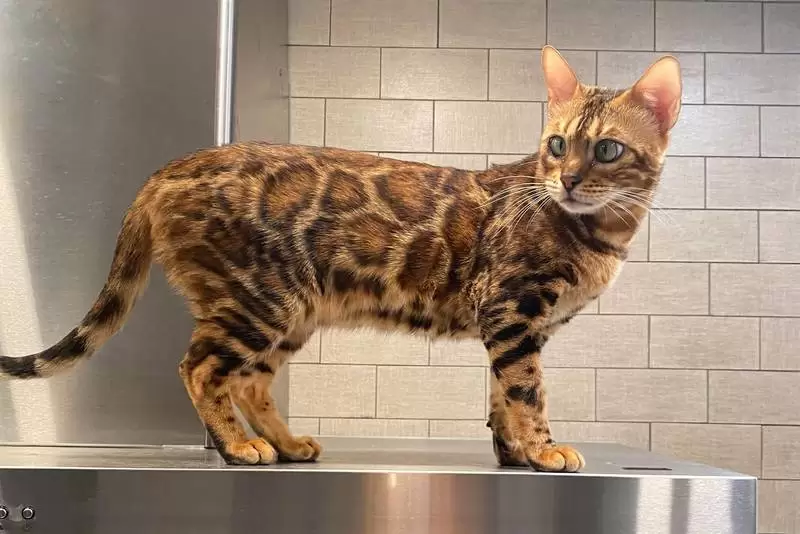
Do Bengal Cats Need Special Care in New Jersey? Understanding Your Exotic Companion
The allure of the Bengal cat is undeniable. With their striking spotted coats reminiscent of their wild ancestors and their captivating personalities, Bengals have surged in popularity among cat enthusiasts. However, their unique heritage often sparks a crucial question for prospective and current owners: Do Bengal cats require special care, particularly within the diverse climate and lifestyle of New Jersey? This comprehensive guide will delve into the nuances of Bengal cat ownership, addressing their specific needs and how to best provide a fulfilling life for these extraordinary felines in the Garden State and beyond.
Understanding the Bengal Cat: A Hybrid Heritage
Before we explore specific care requirements, it's essential to understand what makes a Bengal cat distinct. Bengals are a relatively new breed, developed by crossing domestic cat breeds like the Egyptian Mau, Abyssinian, and American Shorthair with the Asian Leopard Cat. This intentional hybridization is the source of their exotic appearance and many of their unique traits.
The "Wild" Instincts: More Than Just a Pretty Face
The genetic influence of the Asian Leopard Cat means that Bengals often retain some of their wild ancestors' instincts. This doesn't imply they are feral or dangerous, but rather that their behavior can differ significantly from that of a standard domestic cat. Understanding these inherent traits is the first step to providing appropriate care.
Intelligence and Curiosity: A Double-Edged Sword
Bengal cats are renowned for their exceptional intelligence and insatiable curiosity. They are problem-solvers, quick learners, and often enjoy interactive toys and puzzles. This keen intellect, however, also means they can become bored easily, leading to mischievous or destructive behaviors if not adequately stimulated. Their curiosity can lead them to explore every nook and cranny of your home, so ensuring a safe environment is paramount.
Energy Levels: A Spritely Companion
Prepare for an energetic feline! Bengal cats possess a remarkable amount of energy, far exceeding that of many other domestic breeds. They thrive on physical activity and can often be found running, jumping, and playing. This high energy level is a direct inheritance from their wild lineage and is a key factor in their care requirements.
Vocalization: A Chatty Cat
Unlike some of the more reserved cat breeds, Bengals are often quite vocal. They communicate through a variety of sounds, including chirps, meows, and even distinct trills. If you prefer a quiet companion, a Bengal might not be the ideal choice. Their vocalizations are a normal part of their communication, and understanding their different sounds can help you better interpret their needs.
Do Bengal Cats Need Special Care in New Jersey? Debunking Myths
The core of the question revolves around whether the specific environment of New Jersey necessitates unique or extraordinarily specialized care for Bengal cats. The answer, in essence, is no, they don't need “special” care in the sense of exotic diets or climate-controlled habitats as one might imagine for a wild animal. However, their unique personalities and energy levels demand a higher level of engagement and understanding from their owners. The climate of New Jersey, with its distinct seasons, presents its own considerations.
Climate Considerations in New Jersey
New Jersey experiences a wide range of temperatures throughout the year. From hot, humid summers to cold, snowy winters, your Bengal cat will need to be adapted to these conditions like any other cat. Indoors, they will seek warmth in the winter and cool spots in the summer. Providing access to comfortable resting areas and ensuring they are not exposed to extreme temperatures outdoors is crucial. If your Bengal has outdoor access, ensuring a safe, enclosed space like a catio is recommended, especially during inclement weather.
Behavioral Needs: More Than Just Food and Water
The "special" care for Bengals primarily lies in meeting their behavioral and mental stimulation needs.
Environmental Enrichment: The Key to a Happy Bengal
Because of their intelligence and high energy, Bengals require an environment rich in stimulation. This means providing them with ample opportunities for play, exploration, and interaction.
- Vertical Space: Bengals love to climb and observe their surroundings from high vantage points. Cat trees, shelves, and window perches are excellent additions to your home.
- Interactive Toys: Offer a variety of toys that engage their minds and bodies. Puzzle feeders, treat balls, feather wands, and laser pointers (used responsibly) can help expend their energy. Rotate toys regularly to keep them interesting.
- Scratching Posts: Provide sturdy scratching posts of various textures (sisal rope, cardboard) to satisfy their natural urge to scratch and mark territory. This will also help protect your furniture.
- Playtime: Dedicate at least 15-30 minutes of interactive playtime with your Bengal each day. This not only helps them burn energy but also strengthens your bond.
Socialization: Building Bridges, Not Walls
Proper socialization from a young age is vital for Bengals. While their wild ancestry might suggest aloofness, early and positive exposure to people, other animals (if done carefully and gradually), and new experiences can help them become well-adjusted companions. Introducing them to new sights, sounds, and smells in a controlled manner can prevent fear and anxiety later in life.
Training and Discipline: Patience is a Virtue
Bengal cats are highly trainable. Their intelligence allows them to learn commands, tricks, and even how to walk on a leash. Positive reinforcement methods, such as treats and praise, are most effective. Consistency is key. If your Bengal exhibits unwanted behaviors, such as spraying or destructive scratching, it's often a sign of boredom, stress, or unmet needs rather than defiance. Addressing the root cause through environmental enrichment and consistent training is more effective than punishment.
Dietary Considerations for Bengal Cats
While Bengals don't require a diet fundamentally different from other cats, high-quality nutrition is essential to support their active lifestyle and overall health.
Choosing the Right Food
Opt for a high-protein, meat-based diet. Look for cat food that lists meat as the first ingredient. Wet food is generally recommended as it provides essential hydration, which is crucial for feline kidney health.
- High-Quality Protein: Essential for muscle development and energy.
- Moderate Fat Content: To sustain their high energy levels.
- Low Carbohydrates: Cats are obligate carnivores and do not require a large amount of carbohydrates.
- Taurine: An essential amino acid for heart and eye health.
Hydration: The Unsung Hero
Ensuring adequate water intake is critical for all cats, especially active breeds like Bengals. Provide fresh, clean water at all times. Some Bengals are drawn to running water, so a pet drinking fountain might be a worthwhile investment. If you feed primarily dry food, be extra vigilant about encouraging water consumption.
Treats and Supplements
Use treats sparingly, primarily for training or positive reinforcement. If you consider supplements, always consult with your veterinarian first.
Health and Veterinary Care
Bengal cats are generally a healthy breed, but like all animals, they are susceptible to certain health concerns. Regular veterinary care is non-negotiable for a long, happy life.
Annual Check-ups
Schedule annual veterinary check-ups for your Bengal cat. This allows your veterinarian to monitor their overall health, administer necessary vaccinations, and detect any potential health issues early on. Be sure to inform your vet about the breed's background, as some specific genetic predispositions may be relevant.
Common Health Concerns
While not exclusive to Bengals, some conditions to be aware of include:
- Hypertrophic Cardiomyopathy (HCM): A common heart condition in cats.
- Progressive Retinal Atrophy (PRA): An eye condition that can lead to blindness.
- Patellar Luxation: A condition where the kneecap dislocates.
- Feline Infectious Peritonitis (FIP): A serious viral disease.
Your veterinarian will be able to provide specific advice and screening recommendations based on your cat's individual health profile and genetic lineage.
Grooming Needs: Low Maintenance, High Impact
One of the benefits of owning a Bengal is their relatively low grooming needs. Their short, dense coats are typically self-grooming. Regular brushing, perhaps once or twice a week, can help reduce shedding and keep their coat looking its best. This also provides an excellent opportunity for bonding and checking for any skin issues or parasites.
- Brushing: Use a soft brush or grooming glove.
- Nail Trimming: Regular nail trims are important to prevent overgrowth and potential scratching.
- Dental Care: As with all cats, regular dental check-ups and potentially at-home brushing can help maintain oral hygiene.
Bengal Cats and Other Pets in New Jersey Households
Introducing a Bengal cat to a household with existing pets, or vice versa, requires careful planning and patience. Their higher prey drive and energetic nature can sometimes lead to friction with other animals, especially cats that are more timid or less active.
Introducing Bengals to Other Cats
If you have other cats, introduce your Bengal slowly and systematically. Provide separate spaces, food bowls, and litter boxes initially. Allow them to smell each other's scent before supervised visual introductions. Positive reinforcement for calm interactions is crucial.
Bengals and Dogs
Some Bengals can coexist peacefully with dogs, particularly if the dog is calm and has a history of getting along with cats. Again, slow introductions with supervision are key. Consider your dog's breed and temperament; a high-prey drive dog might not be a good match.
Safety First: Indoor vs. Outdoor
Given their exotic heritage and the presence of potential predators and hazards in outdoor environments (especially in more rural or suburban areas of New Jersey), it is generally recommended to keep Bengal cats indoors. If you wish to provide outdoor enrichment, a secure catio (cat patio) or a harness-trained cat can offer a safe way for them to experience the outdoors.
Is Owning a Bengal Cat Right for You in New Jersey?
Owning a Bengal cat is an incredibly rewarding experience, but it's not for everyone. They are not a "starter" cat breed for inexperienced owners. Their intelligence, high energy, and need for stimulation demand a significant commitment of time and resources.
The Commitment Required
Before bringing a Bengal into your home, honestly assess your lifestyle and your ability to meet their unique needs. Are you prepared for daily interactive play sessions? Do you have the time and patience for training? Can you provide a stimulating environment that will prevent boredom and potential behavioral issues?
The Rewards of Bengal Ownership
For those who can provide the necessary care and attention, a Bengal cat is an exceptionally devoted, playful, and entertaining companion. Their striking beauty, affectionate nature (once trust is established), and engaging personalities will undoubtedly enrich your life. While they don't need "special" care in the sense of exotic requirements, they do need informed, engaged, and dedicated owners who understand and appreciate their exceptional nature. The vibrant communities and diverse landscapes of New Jersey can be a wonderful backdrop for a fulfilling life with a Bengal cat, provided their specific needs are met with love and understanding.
FAQs about Bengal Cat Care in New Jersey
Do Bengal cats require "special" care in New Jersey compared to other domestic cats?
No, they don't need "special" care in the sense of exotic diets or climate-controlled habitats. However, their unique personalities, high energy levels, and intelligence demand a higher level of engagement and understanding from their owners than many other breeds.
What makes Bengal cats distinct from other domestic cat breeds?
Bengals are a hybrid breed, developed from domestic cats crossed with the Asian Leopard Cat. This heritage gives them their exotic appearance, strong "wild" instincts, exceptional intelligence, high energy levels, and often makes them quite vocal.
How do Bengal cats' high energy and intelligence impact their care needs?
Their intelligence means they can get bored easily, leading to mischievous behavior if not stimulated. Their high energy requires ample physical activity. Owners must provide environmental enrichment like vertical spaces, interactive toys, regular playtime (15-30 mins daily), and opportunities for training to keep them mentally and physically engaged.
Does New Jersey's climate pose any unique challenges for Bengal cats?
New Jersey experiences varied temperatures, from hot summers to cold winters. Bengals adapt like other cats indoors, seeking warmth or cool spots. Providing comfortable resting areas and ensuring they are not exposed to extreme outdoor temperatures is crucial. A safe, enclosed catio is recommended for outdoor access.
What kind of diet is best for a Bengal cat?
Bengal cats thrive on a high-protein, meat-based diet. Look for cat food with meat as the first ingredient, moderate fat, and low carbohydrates. Wet food is generally recommended for hydration. Ensuring adequate fresh water intake, possibly with a pet drinking fountain, is also critical for this active breed.
What are the key health considerations and veterinary care recommendations for Bengal cats?
Bengals are generally healthy but benefit from annual veterinary check-ups for vaccinations and early detection of potential issues. Be aware of conditions like Hypertrophic Cardiomyopathy (HCM), Progressive Retinal Atrophy (PRA), and Patellar Luxation. Regular grooming (brushing 1-2 times a week), nail trimming, and dental care are also important.
How should I introduce a Bengal cat to other pets in my New Jersey home?
Introductions require careful planning and patience. Their higher prey drive and energetic nature mean slow, systematic introductions with separate spaces, food, and litter boxes are essential. Supervised visual introductions and positive reinforcement for calm interactions are crucial, especially with other cats or dogs.
Is an indoor or outdoor lifestyle better for Bengal cats, especially in New Jersey?
Given their exotic heritage and potential outdoor hazards (predators, traffic), it's generally recommended to keep Bengal cats indoors. For safe outdoor enrichment, a secure catio (cat patio) or harness training can provide them with external experiences.