

Socialization, Skills, and Discipline: A Comprehensive Guide for Bengal Cat Owners
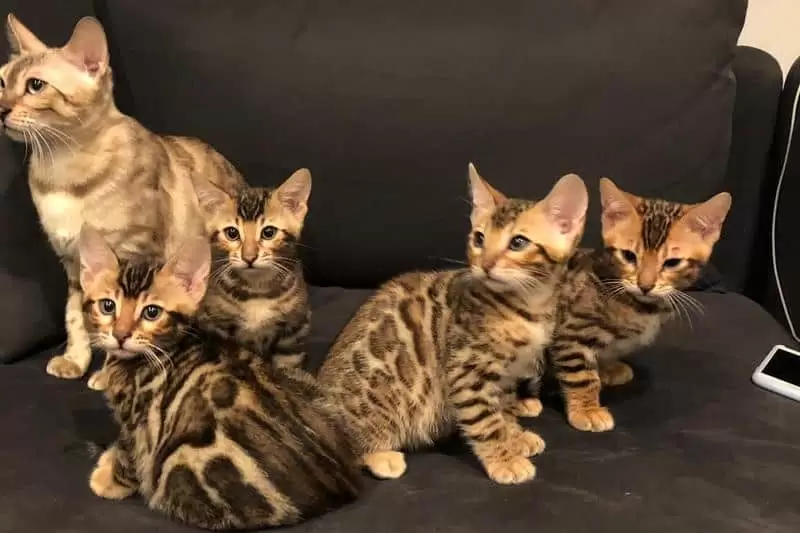
The Pillars of Feline Well-being: Socialization, Skill Development, and Discipline for Your Bengal Cat
Bringing a new feline companion into your home, especially a vibrant Bengal, is an exciting journey. Much like raising a child, this experience requires a careful blend of affection, attention, and guidance. While Bengals are renowned for their playful and energetic nature, it’s crucial to channel this enthusiasm constructively to prevent them from becoming a “scourge.” This comprehensive guide delves into the essential pillars of nurturing a well-adjusted, happy, and well-behaved Bengal cat: socialization, skill development, and discipline. Understanding these elements is key to fostering a strong bond and ensuring your Bengal thrives.
A well-behaved cat is a joy, and this is achieved through consistent and thoughtful training. This article will equip you with the knowledge and strategies to effectively socialize your kitten, teach them valuable skills, and implement discipline in a way that is both humane and effective, all while respecting the unique intelligence and independence of the Bengal breed.
The Art of Socialization: Building a Confident and Adaptable Cat
Socialization is the foundation upon which a cat’s future behavior is built. It’s the process of exposing your kitten to a variety of people, animals, environments, and experiences in a positive and controlled manner. For Bengal cats, who possess a naturally curious and somewhat wild ancestry, proper socialization is particularly vital. It helps them to be less fearful, more adaptable, and better equipped to handle the modern domestic environment.
Early Exposure is Key
The most critical period for socialization in kittens runs from approximately 2 to 7 weeks of age, though the benefits extend beyond this window. During this time, their brains are highly receptive to new stimuli. The goal is to create positive associations with everything they might encounter throughout their lives.
Introducing New People
- Variety of Ages and Genders: Ensure your kitten meets people of all ages, from gentle children (under supervision) to elderly individuals. Different genders may also have distinct scents and behavioral patterns that the kitten should become accustomed to.
- Calm and Gentle Interactions: Encourage visitors to approach the kitten calmly, allowing it to sniff and explore at its own pace. Avoid overwhelming the kitten with too many people at once. Gentle petting and soft voices are crucial.
- Positive Reinforcement: Have visitors offer treats or engage in gentle play once the kitten seems comfortable. This reinforces the idea that new people mean good things.
Familiarizing with Other Animals
Introducing other pets should be a gradual and carefully managed process. The success of this depends heavily on the temperament of both the resident animal and the new kitten.
- Gradual Introductions: Start with scent swapping through blankets or toys. Then, allow supervised visual introductions through a baby gate or from a distance.
- Positive Associations: Feed both animals on opposite sides of a closed door, then gradually move towards feeding in the same room but at a safe distance. This creates positive associations with each other’s presence.
- Supervised Playtime: Once they show signs of tolerance, begin short, supervised play sessions. Always ensure there is a safe escape route for the kitten if it feels overwhelmed.
- Understanding Bengal Traits: Be aware that some Bengals may have a higher prey drive. Introductions to smaller pets like rodents or birds require extreme caution and might not be advisable for all Bengals.
Environmental Enrichment and Novelty
Exposing your kitten to a wide range of sights, sounds, and textures is essential for building confidence.
- Familiar Objects: Provide a variety of safe toys and objects like paper bags, cardboard boxes, and crinkled paper. Ensure any toy doesn’t have small, detachable parts that could be a choking hazard.
- Varying Surfaces: Allow them to explore different textures – carpets, wood floors, rugs, and even shallow water (if they show interest).
- Auditory Exposure: Play a variety of sounds at a low volume, from classical music to the vacuum cleaner. Gradually increase the volume as the kitten becomes desensitized.
- Car Rides: Short, positive car rides with treats or praise can help them become accustomed to the motion and sights of travel, which is beneficial for vet visits or future travel.
Developing Essential Skills: Intelligence Meets Everyday Life
Bengal cats are exceptionally intelligent and thrive when their minds are stimulated. Teaching them skills not only enriches their lives but also helps them to integrate more smoothly into your household. This goes beyond basic obedience and taps into their natural problem-solving abilities.
Harness Training and Leash Walking
Many Bengals can be successfully trained to wear a harness and walk on a leash. This opens up a world of safe outdoor exploration.
- Gradual Introduction to the Harness: Start by letting the kitten wear the harness for short periods indoors, associating it with treats and praise. Never force it on.
- Attaching the Leash: Once comfortable with the harness, attach the leash indoors and allow the kitten to drag it around under supervision.
- First Outdoor Steps: Begin in a safe, enclosed yard. Allow the kitten to explore at its own pace. Avoid pulling or forcing it to move.
- Positive Reinforcement: Consistently reward calm behavior and exploration with treats and verbal encouragement.
Litter Box Etiquette
While most cats are naturally inclined to use a litter box, reinforcing this behavior and ensuring it remains consistent is important.
- Proper Box Placement: Choose a quiet, accessible location away from food and water bowls.
- Appropriate Litter: Most cats prefer unscented, clumping litter. Experiment if your cat shows resistance.
- Cleaning Routine: Scoop the litter box daily and perform a full cleaning regularly. Cats are meticulous creatures and will avoid a dirty box.
- No Punishment: Never punish a cat for an accident. Instead, clean the area thoroughly with an enzymatic cleaner to remove odors that might attract them back.
Clicker Training and Trick Training
The intelligence of Bengals makes them ideal candidates for clicker training and learning a variety of tricks. This is a powerful way to engage their minds and strengthen your bond.
- Understanding Clicker Training: The clicker acts as a bridge between the desired behavior and the reward (treats, petting, praise). The click signals the exact moment the cat performed the correct action.
- Basic Commands: Start with simple commands like “sit” or “come.”
- Target Training: Teaching your cat to touch a target with its nose can be a stepping stone to more complex tricks.
- Keep Sessions Short and Fun: Avoid overwhelming your cat. Short, frequent training sessions are more effective than long, infrequent ones.
- Celebrate Successes: Positive reinforcement is key. Make training a rewarding experience for both of you.
Problem-Solving and Enrichment Activities
Beyond formal training, providing ample opportunities for natural problem-solving is crucial.
- Puzzle Feeders: These toys dispense kibble as the cat manipulates them, providing mental stimulation and slowing down eating.
- Interactive Toys: Feather wands, laser pointers (used responsibly, ending with a tangible reward), and rolling balls engage their hunting instincts.
- Vertical Space: Cats feel secure and engaged when they have elevated spaces to climb and observe from. Cat trees, shelves, and window perches are excellent.
The Nuances of Discipline: Gentle Guidance for Bengals
Discipline for cats, especially intelligent and independent breeds like Bengals, is not about punishment. It’s about redirecting unwanted behaviors and setting clear boundaries using methods that foster trust and understanding. Coercion will be counterproductive and can damage your relationship.
Understanding the Bengal Mindset
Bengal cats are born with a strong sense of self and a predisposition to explore and satisfy their own desires. They are not naturally inclined to obey commands out of subservience. Therefore, discipline must be approached with an understanding of their inherent traits.
Bengal cats are highly intelligent and therefore easy to teach, but they require consistency and a clear understanding of expectations from their owners. If you don’t like something about the cat’s behavior, try to look at the situation from its point of view to understand the cause of the problem.
Effective Discipline Strategies
- Redirection: This is the most effective form of discipline. If your kitten is scratching furniture, redirect them to a scratching post and reward them for using it. If they are biting your fingers, offer an appropriate toy instead.
- The Water Gun Method: Keep a water pistol handy. A quick, gentle spritz of water can interrupt an unwanted behavior without causing fear or lasting negative associations. This is an indispensable tool for education.
- Verbal Cues: A firm, short “no” or “ah-ah” can be effective when paired with redirection. Cats learn to associate the sound with the undesirable action.
- Ignoring Undesirable Attention-Seeking: Some behaviors, like meowing excessively for attention, are best dealt with by ignoring them until the cat quiets down, then rewarding the calm behavior.
- Positive Reinforcement for Desired Behavior: This is the most powerful tool. Reward your cat lavishly with praise, treats, and affection when they exhibit good behavior. This encourages them to repeat it.
What NOT to Do: The Pitfalls of Punishment
It is crucial to understand that harsh punishments can have detrimental effects on your cat’s well-being and your relationship.
- Never Hit Your Cat: Never hit the Bengal cat. This will not teach them anything positive and will likely result in fear, aggression, and a complete breakdown of trust. Soon you will find out that it doesn’t want to stay close to you.
- Avoid Physical Restraint for Punishment: Do not hold your kitten down or force it into positions as a form of punishment. This can lead to anxiety and defensive biting.
- No Scruffing (for discipline): While mother cats may briefly scruff their kittens, adult cats do not respond well to this as a disciplinary measure from humans. It can be perceived as aggression.
- Don’t Expect Obedience Through Force: Remember, a cat will always win this battle if it comes to a power struggle. Your goal is cooperation, not subjugation.
- Avoid Jarring Noises or Loud Shouting: While startling noises can interrupt behavior, consistently loud or frightening sounds can lead to a general state of anxiety and fear.
Any coercion can make it distrust you for a long time. Focus on building a foundation of trust and positive association. Your Bengal’s intelligence means they learn quickly when the methods used are understandable and rewarding.
The Importance of a Safe Indoor Environment
While Bengals have a wild ancestry, it is increasingly recommended and often best for their safety to keep them exclusively indoors. The risks associated with outdoor access are significant and can outweigh the perceived benefits.
Dangers of the Outdoors
- Traffic Accidents: Cars are a leading cause of death for outdoor cats.
- Infections and Diseases: Contact with homeless animals or their environments can expose your cat to serious and life-threatening diseases like Feline Leukemia Virus (FeLV) and Feline Immunodeficiency Virus (FIV).
- Parasites: Fleas, ticks, and intestinal parasites are common outdoors and can infest your home.
- Predators: In some areas, larger predators can pose a threat to domestic cats.
- Human Cruelty and Theft: Sadly, some cats are targets of intentional harm or theft when outdoors.
- Getting Lost: Even a familiar cat can become disoriented and lost.
The “Sneak Out” Phenomenon
If you start letting a kitten out, even occasionally, it can create a desire for freedom. It will be constantly sitting next to the door waiting for the moment to sneak out. After a while, you will have a pet that doesn’t want to stay with you at home at all.
The Benefits of an Indoor Lifestyle
If you have never let a cat out, it will feel great at home and not even suspect that it missed something in its life. Indoor cats generally live longer, healthier lives. With proper enrichment and interaction, they can lead fulfilling lives within the safety of your home.
Territorial Marking
Please also note that having visited the wild, your cat, even if castrated, can begin to “mark” territory. This will not be motivated by a sexual but a territorial instinct. While this is less common in strictly indoor cats, it’s a behavior that can be triggered by changes in the environment or perceived threats, even if they have never been outdoors.
Conclusion: A Journey of Love, Learning, and Lasting Companionship
The journey of raising a Bengal cat is one of continuous learning and mutual discovery. By prioritizing effective socialization, cultivating their intelligence through skill development, and employing gentle, consistent discipline, you are not just training a pet; you are building a profound and lasting companionship. Your Bengal’s intelligence, coupled with your understanding and commitment, will pave the way for a harmonious life together, filled with play, affection, and mutual respect.
FAQs about Socialization, Skills, and Discipline: A Comprehensive Guide for Bengal Cat Owners
Why is socialization crucial for Bengal cats?
Socialization is vital for Bengal cats due to their naturally curious and somewhat wild ancestry. It helps them become less fearful, more adaptable, and better equipped to handle a domestic environment, forming the foundation of their future behavior.
What is the ideal period for socializing a Bengal kitten?
The most critical period for socialization in kittens is approximately 2 to 7 weeks of age, as their brains are highly receptive to new stimuli. However, the benefits of continued positive exposure extend beyond this window.
How can I introduce my Bengal to new people effectively?
Encourage interactions with people of various ages and genders. Visitors should approach calmly, allow the kitten to explore at its own pace, and use gentle petting and soft voices. Always reinforce positive associations with treats or gentle play.
Can Bengal cats be trained to walk on a harness and leash?
Yes, many Bengal cats can be successfully trained to wear a harness and walk on a leash. Start by gradually introducing the harness indoors with treats and praise. Once comfortable, attach the leash for supervised dragging, then move to a safe outdoor area, allowing the cat to explore at its own pace with positive reinforcement.
How can I encourage good litter box habits in my Bengal?
Ensure the litter box is in a quiet, accessible location, away from food and water. Use unscented, clumping litter and scoop daily. Never punish accidents; instead, clean thoroughly with an enzymatic cleaner to eliminate odors that might attract them back.
Are Bengal cats good candidates for trick training like clicker training?
Absolutely. Bengal cats are exceptionally intelligent and thrive on mental stimulation, making them ideal for clicker training and learning tricks. Keep sessions short, fun, and use positive reinforcement to strengthen your bond and engage their minds.
What are effective, non-punitive discipline methods for a Bengal cat?
Effective methods include redirection (e.g., to a scratching post instead of furniture), a quick, gentle spritz from a water pistol to interrupt unwanted behavior, firm verbal cues like "no" or "ah-ah," and ignoring attention-seeking until the cat calms down. Always reinforce desired behaviors positively.
What discipline approaches should I avoid with my Bengal cat?
Never hit your Bengal cat, as this will lead to fear, aggression, and a breakdown of trust. Avoid physical restraint, scruffing for discipline, and forceful methods. Also, avoid consistently loud or frightening sounds, which can cause anxiety and fear and will be counterproductive.