

The Amazing Character of the Bengal Cat
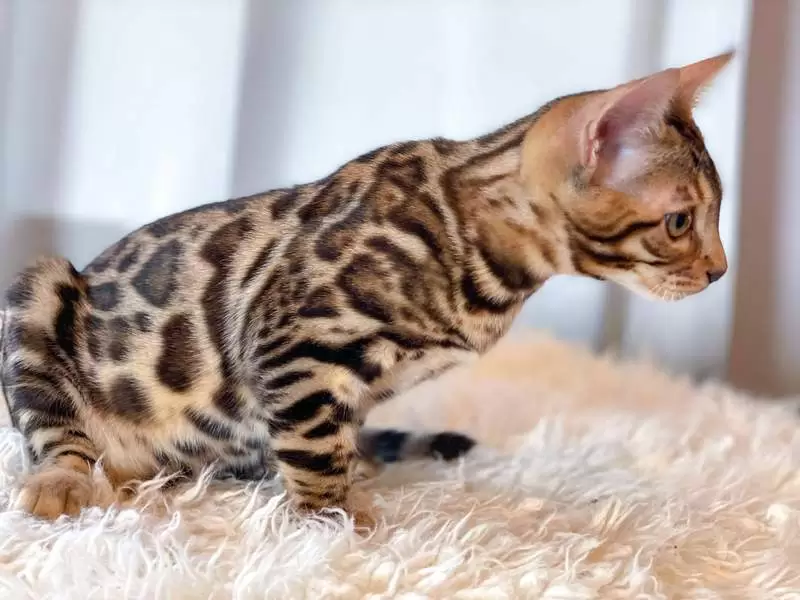
The Amazing Character of the Bengal Cat: A Deep Dive into Their Unique Personalities
The Bengal cat is a breed that consistently captures the hearts and minds of cat enthusiasts worldwide, not just for their striking, wild-resembling appearance but, more importantly, for their exceptional and often surprising character. While many are initially drawn to the mesmerizing spots and rosettes reminiscent of their wild ancestors, it is the Bengal’s engaging personality that truly solidifies their place as cherished family members. For those considering bringing a Bengal into their home, understanding their unique temperament is paramount. It’s a common tale among Bengal owners: one Bengal is rarely enough, and this enduring loyalty speaks volumes about the breed’s ability to forge deep, meaningful connections with their human companions. This article delves into the multifaceted personality of the Bengal, exploring their athletic prowess, affectionate nature, vocalizations, and debunking common myths, offering a comprehensive view of what makes this breed so extraordinarily special.
Understanding Bengal Personalities: A Complex Tapestry
It is crucial to acknowledge that every cat’s personality is a complex amalgam, shaped by a confluence of factors. Genetics, early life experiences involving socialization and environmental influences, and simply the inherent individuality of each animal play significant roles. Consequently, while breeds often exhibit common traits, the variation within any single breed can be substantial. Think of breeds like the Siamese, Burmese, or Persians, each renowned for a distinct set of behavioral tendencies. The Bengal, with its unique genetic heritage and carefully managed breeding programs, has emerged with a set of pronounced and often unusual personality traits that are as compelling a reason for ownership as their breathtaking visual appeal. It is important to preface this exploration by stating that this account is a personal perspective, drawn from extensive experience with various Bengal cats, and cannot account for the behavior of every single individual.
General Personality Traits: More Than Just a Pretty Face
At its core, a Bengal cat is a creature brimming with personality. Much like certain Oriental cat breeds, they are characterized by their intelligence, lively demeanor, and a capacity for genuine interaction. They are rarely the aloof felines who seem to tolerate human presence with disdain, nor are they typically the quiet, unassuming housemates. Instead, Bengals are an dynamic and engaged member of the family unit. However, it’s vital to distinguish them from other breeds; while they share some characteristics with Orientals, Bengals possess a unique set of traits that set them apart and contribute to their distinctiveness.
The Amazing Athlete: A Spectacle of Feline Agility
For a significant portion of their day, Bengals transform into astonishing athletes. Their boundless energy fuels their ability to engage in rapid sprints, scale vertical surfaces like doors and cupboards with surprising ease, and achieve impressive leaps to considerable heights. A Bengal’s athleticism is often a source of amusement and wonder; imagine a cat launching itself from several meters away, landing gracefully on your shoulder to “assist” with mundane tasks like answering the door or investigating the contents of a cupboard.
Their playful exuberance manifests in a variety of acrobatic feats. They will bounce, roll, delight in switching lights on and off, and even execute full somersaults when in a particularly spirited mood. Bengal kittens, especially, can be a whirlwind of activity, creating what can only be described as a stampede of spotty fluff.
When a Bengal is excited, one can observe a characteristic trembling or twitching of their tail, or it may fluff up into a magnificent, bushy “racoon-tail.” The character displayed during these energetic bursts often draws comparisons to “Tigger” from the beloved “Winnie the Pooh” stories – embodying a spirit of inquisitiveness, hyperactivity, and an almost over-the-top enthusiasm, all wrapped in an undeniably loveable package with a heart of gold.
The Big Softy: A Balance of Energy and Affection
Despite their boundless energy, fear not, for there is ample opportunity for serene companionship with a Bengal. The flip side of their high-octane behavior is an equally pronounced tendency towards becoming total softies. They will happily flop onto their backs in a display of pure ecstasy, approach you with affectionate nuzzles, emit rumbling purrs, and eventually curl up into contented little balls, drifting into deep sleep. Bengals genuinely crave affection and will happily spend hours resting piled on top of you, purring contentedly.
Their affectionate nature extends to waking you gently in the night, rubbing their heads against you, and paddling contentedly on the covers with their paws before settling down to sleep soundly beside you until morning. They also possess a remarkable capacity for ridiculous stretchy moods, rolling and writhing on their backs in a display of uninhibited joy. This delightful contrast between their energetic moments and their deeply affectionate, relaxed states makes the Bengal experience truly unique and rewarding.
Bengals and Water: A Myth Debunked (and a Fascination Revealed)
One of the most popular pieces of Bengal cat “folklore” revolves around their supposed fondness for water. Anecdotes abound of Bengals playing happily in deep water and even enjoying swimming. While it’s true that some Bengals may indeed exhibit such aquatic inclinations, if your primary goal is a swimming cat, a Turkish Van might be a more reliable choice.
However, it is far more common for most Bengals to display a definite fondness for water, even if not in the form of full immersion. My own Bengal, for instance, exhibited a peculiar “swishing” action with his paw across his drinking water before drinking. Breeders suggested this behavior may be an echo of the instinctual action of Asian Leopard Cats in nature, who clear the surface of ponds before drinking to ensure clean water.
This natural instinct took on a different dimension once my cat discovered the mugs of water conveniently located on my bedside table. What began as a subtle swishing evolved into a full-blown game of splashing, sending water droplets scattering across the room. For a period, gentle rain became a nightly feature of my bedroom until he eventually outgrew this particular phase.
His fascination with water has since transitioned to the bathtub. A trip to the bathroom often prompts him to gallop into the tub and vocalize insistently until the tap is turned on. This signals his cue to joyfully splash and play in the running water for several minutes. He has even been known to join me in the shower on occasion! A word of caution for potential Bengal owners: the toilet seat should always be kept down to prevent accidental ingestion of substances like bleach, and running hot bath water should never be left unattended, as a Bengal could potentially scald themselves.
The Bengal’s Voice: A Symphony of Sounds
The vocalizations of a Bengal cat are as diverse as their personalities. Perhaps the most recognizable sound is a melodic yet insistent “YOWWWLLL!!!!”, typically employed when they wish to draw your attention to something. The subtle nuances in this vocalization can convey a range of demands, from “open that door!” and “hello again!” to urgent pleas for “FOOOD!” or the imperative “turn the tap on please!” When faced with confinement, their “YOWWWLLL” can reach particularly loud and demanding volumes, often aimed at securing their release from a perceived “cage.”
These vocalizations can range from merely loud to truly unbelievable in intensity, but they are generally effective in eliciting a response – either by fulfilling their demand or by making it clear that their wishes will not be met.
At the other end of the vocal spectrum are their purrs, often laced with a variety of trills and chirps. Beyond these, Bengals possess a broader vocabulary that includes “chatter” sounds when they spot something enticing to chase, and even a short, frustrated “nya!” grumble when their athletic endeavors fall just short of their intended target.
A peculiar, and remarkably useful, vocalization my Bengal makes is a “yoolalooolaloooowahhh” call just before he becomes ill. This distinctive sound allows me ample time to escort him to an easily cleanable location and to be present to soothe him during his discomfort. We affectionately refer to this as the “sofa-saving call.”
While Bengals are not excessively noisy, they do not constantly “commentate” on your life in the manner of some Siamese cats. Instead, they possess a varied range of outspoken calls that they deploy when they feel the need to communicate.
Food Glorious Food! The Bengal Appetite
Oh yes, Bengals have a keen appetite, and they certainly insist on being first in line to partake. The primary challenge when feeding Bengals often lies in their tendency to investigate the food bag itself before you even have a chance to pour it out. Treats, such as delectable chicken pieces, are frequently purloined and guarded with a low growl, a testament to their possessive nature when it comes to their culinary treasures.
Are Bengals “Fierce”? Dispelling the Wild Cat Myth
A persistent misconception is that because Bengals possess ancestry from wild animals, they are inherently more prone to being “fierce.” While it is true that a key distinction between domesticated and wild animals lies in their ability to interact harmoniously with humans, it’s also important to note that smaller wild cats are often more inclined to fear humans than to attack them.
Crucially, a Bengal is a domesticated animal. They have been selectively bred over numerous generations with a strong emphasis on character development, in addition to their striking appearance. Therefore, Bengals today should exhibit no more aggression (or defensiveness) than any other domestic cat breed.
While there may have been reports of temperament challenges in the very early developmental stages of the Bengal breed, dedicated breeders have spent many years diligently working on refining the Bengal character. Consequently, such reports are now largely relegated to the past. As with any cat purchase, it is always advisable to meet the Bengal kittens and their parents to evaluate their character before making a decision.
Based on personal experience, I would unhesitatingly recommend the character of Bengals as they exist today. My sole advisory note concerns their exceptional energy levels. Being so agile and active, they can unintentionally scratch people while galloping over them or jumping from them. While this is unlikely to be a significant issue for most cat lovers, it may warrant consideration if you have very young children or are particularly sensitive to the occasional scratch.
My experience indicates that Bengals can be easily trained to refrain from undesirable behaviors. A simple hiss, often interpreted as “stop” in cat language, proves far more effective than shouting “NO!” This method not only communicates the desired boundary but also establishes your position as the dominant figure. Of course, any disciplinary measures, such as hissing, must be balanced with abundant affection to ensure the cat understands they remain loved and cherished.
In conclusion, Bengals possess profoundly engaging, energetic, and loving characters, which stands as a primary reason for their popularity as pets. While their dynamic nature might not suit those seeking a quiet, low-key companion, they are amazing pets for individuals and families who desire a more “dog-like” member, akin to the interactive nature of Oriental cats, but with a host of unique traits that make them exceptionally rewarding companions.
FAQs about The Amazing Character of the Bengal Cat
What is the general personality of a Bengal cat?
Bengal cats are known for their intelligence, lively demeanor, and capacity for genuine interaction. They are dynamic and engaged members of the family unit, rarely aloof, and possess a strong, unique personality that sets them apart.
Are Bengal cats very active?
Yes, Bengals are astonishing athletes with boundless energy. They can engage in rapid sprints, scale vertical surfaces, achieve impressive leaps, and display various acrobatic feats. Their playful exuberance often earns them comparisons to "Tigger" from Winnie the Pooh.
Are Bengal cats affectionate?
Despite their high energy, Bengals are total softies who genuinely crave affection. They love to flop onto their backs, offer affectionate nuzzles, emit rumbling purrs, and will happily spend hours resting on top of their human companions, often waking them gently with head rubs.
Do Bengal cats like water?
While not all Bengals enjoy full immersion swimming like a Turkish Van, most display a definite fascination with water. This can manifest as splashing drinking water, playing in running tap water, or even joining their owners in the shower. Owners should be cautious with open toilets and unattended hot water.
How do Bengal cats communicate?
Bengal cats have a diverse range of vocalizations. Their most recognizable sound is a melodic yet insistent "YOWWWLLL" used for attention or demands. They also purr with trills and chirps, make "chatter" sounds when spotting prey, and can even produce a peculiar "yoolalooolaloooowahhh" call before becoming ill, which can be useful for owners.
What is a Bengal cat's eating behavior like?
Bengals possess a keen appetite and are very insistent on being first at mealtime. They often investigate the food bag before it's served and can be possessive over treats, sometimes guarding their culinary treasures with a low growl.
Are Bengal cats aggressive or "fierce" due to their wild ancestry?
No, BengaIs are domesticated animals. Their temperament has been carefully developed by breeders over many generations, ensuring they exhibit no more aggression or defensiveness than any other domestic cat breed. Early stage temperament issues are largely a thing of the past.
Can Bengal cats be trained?
Yes, Bengal cats can be easily trained to refrain from undesirable behaviors. A simple hiss, which they interpret as "stop," is often more effective than shouting "NO!" when establishing boundaries. This method helps communicate expectations while reinforcing the owner's dominant position, always balanced with abundant affection.