

Understanding Bengal Cat Health: A Comprehensive Guide to Common Ailments and Prevention
Understanding Bengal Cat Health: A Holistic Approach
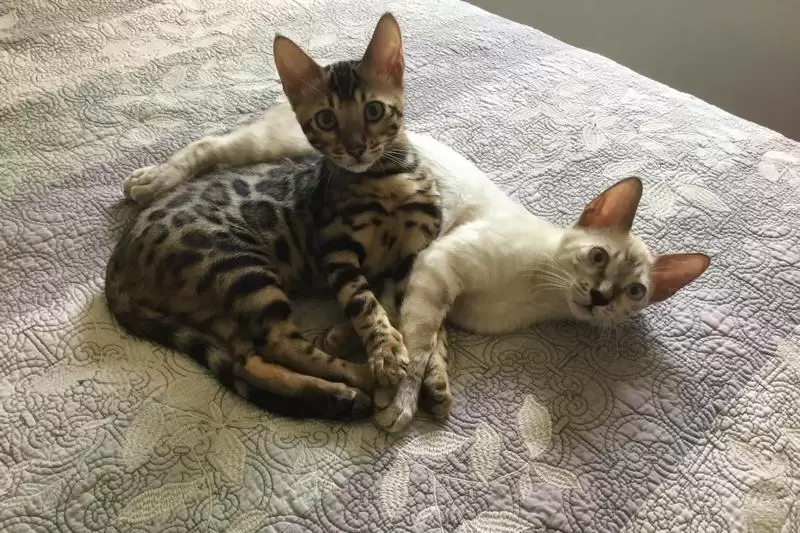
The enchanting beauty and wild appearance of Bengal cats have captivated many pet owners. These distinctive felines, known for their spotted or marbled coats, are a result of crossbreeding domestic cats with Asian Leopard Cats. While often celebrated for their robust nature and playful personalities, it’s crucial for any prospective or current Bengal owner to be well-informed about their potential health issues. Like all breeds, both pedigreed and mixed-breed cats can be predisposed to certain genetic conditions. This comprehensive guide aims to illuminate the common health concerns that may affect Bengal cats, offering insights into their symptoms, management, and preventative measures, ensuring your feline companion leads a long and vibrant and healthy life.
The Role of Genetics in Bengal Cat Well-being
Genetics play a pivotal role in the health of any animal, and Bengal cats are no exception. The breed’s unique heritage means they can inherit certain predispositions from their ancestral lines. Responsible breeding practices are paramount in minimizing the occurrence of genetic disorders. Breeders often conduct health screenings for common hereditary conditions to ensure the health of their breeding stock. Understanding these potential genetic links allows owners to be more vigilant and proactive in their cat’s healthcare. Early detection is key when it comes to managing many of these conditions.
Common Health Concerns in Bengal Cats
While generally a healthy breed, Bengals can be susceptible to a number of ailments. It’s important to note that not all Bengals will develop these conditions, and many live long, healthy lives with proper care. Awareness, however, is the first step towards ensuring your cat receives the best possible health outcomes. Here, we delve into the specific health issues observed in the breed:
Neurological Disorders Affecting Bengals
Distal Neuropathy
Distal neuropathy is a nervous system disorder that manifests as progressive weakness in the limbs. This condition can appear in Bengal cats as early as one year of age. The peripheral nerves, responsible for transmitting signals from the brain and spinal cord to the muscles, are affected. Symptoms can include hind limb weakness, ataxia (lack of coordination), and difficulty walking. While the onset can be alarming, many cats exhibit a remarkable recovery on their own. However, some individuals may experience relapses, necessitating ongoing veterinary monitoring and management. The exact cause is not always known, but it is believed to have a genetic component. Veterinary diagnosis and treatment are crucial for managing this condition effectively.
Skeletal and Muscular Conditions in Bengals
Flat-Chested Kitten Syndrome
This congenital deformity affects the chest cavity, resulting in a flattened appearance. The severity can range from mild to severe, impacting the kitten’s ability to breathe and move comfortably. Kittens that survive the critical early stages and reach adulthood often show no residual signs of the condition. Their chests typically develop a more normal shape as they mature. This condition highlights the importance of careful observation and care during the neonatal period. While not directly treatable in most cases, supportive care can be vital for affected kittens. The long-term prognosis is often favorable for those who overcome early challenges.
Hip Dysplasia
Hip dysplasia is a common orthopedic condition characterized by an abnormal development of the hip joint. This malformation can lead to instability, pain, and eventually arthritis. In severe cases, hip dysplasia can cause significant lameness, making it difficult for the cat to walk or bear weight on the affected limb. This condition is hereditary and can affect various breeds, including Bengals. Early detection through veterinary examination and radiographs can help in managing the progression of the disease. Treatment options may include pain management, physical therapy, and in severe instances, surgical intervention. Regular exercise and maintaining a healthy weight can also help mitigate the impact of hip dysplasia.
Patellar Luxation
Patellar luxation refers to a hereditary dislocation of the kneecap. The kneecap (patella) can slip out of its normal groove in the thigh bone. This condition can range in severity from mild, where the kneecap may intermittently slip out, to severe, where it is constantly out of place. Cats with severe patellar luxation may experience lameness, pain, and difficulty walking. Fortunately, surgical correction is often successful in alleviating the condition and restoring normal function to the knee joint. Surgical intervention is typically recommended for more severe cases to prevent long-term damage and discomfort.
Cardiovascular Health in Bengal Cats
Hypertrophic Cardiomyopathy (HCM)
Hypertrophic cardiomyopathy (HCM) is a common form of heart disease in cats, characterized by the thickening of the heart muscle walls, particularly the left ventricle. This thickening can impair the heart’s ability to pump blood efficiently and can lead to a host of secondary problems, including heart murmurs, arrhythmias, and congestive heart failure. HCM is heritable in some cat breeds, and while not exclusive to Bengals, it is a condition that responsible breeders screen for. Regular veterinary check-ups, including auscultation for murmurs, are essential. Echocardiograms can provide a definitive diagnosis and allow for early management of the condition. While there is no cure for HCM, medications can help manage symptoms and improve the cat’s quality of life. Proactive cardiac care can make a significant difference.
Ocular Health Concerns
Progressive Retinal Atrophy (PRA)
Progressive retinal atrophy (PRA) is a group of degenerative eye diseases that affect the retina, the light-sensitive tissue at the back of the eye. In Bengals, PRA can lead to a gradual loss of vision, eventually resulting in blindness. The disease typically progresses over time, and early signs may include difficulty seeing in low light conditions (nyctalopia). As the condition advances, cats may bump into objects, appear disoriented, and ultimately lose their sight completely. Genetic testing is available for certain forms of PRA, and responsible breeders will screen their cats to reduce the incidence of this condition in their lines. While there is no cure for PRA, understanding the implications allows owners to adapt their environment to help their visually impaired cat navigate safely. Providing consistent routines and avoiding rearranging furniture can greatly aid a cat with vision loss.
Preventative Care Strategies for Optimal Bengal Health
Ensuring the longevity and well-being of your Bengal cat involves a multifaceted approach to preventative healthcare. Beyond addressing specific genetic predispositions, general good health practices are fundamental. This includes:
Regular Veterinary Check-ups
Routine veterinary examinations are the cornerstone of preventative health. These visits allow your veterinarian to monitor your cat’s overall health, detect potential issues early, and administer necessary vaccinations and parasite control. Vets can also offer personalized advice on diet, behavior, and specific health concerns relevant to your Bengal.
Balanced Nutrition
A high-quality, balanced diet is crucial for maintaining a strong immune system and overall health. The specific dietary needs of a Bengal cat should be discussed with your veterinarian. Factors such as age, activity level, and any existing health conditions will influence their nutritional requirements.
Dental Hygiene
Oral health is often overlooked but is vital for a cat’s general well-being. Dental disease can lead to pain, difficulty eating, and even systemic health problems if left untreated. Regular dental check-ups and, if possible, at-home dental care, such as brushing your cat’s teeth, can significantly contribute to their health.
Environmental Enrichment and Exercise
Bengal cats are intelligent and active animals. Providing them with a stimulating environment that includes opportunities for play, climbing, and exploration is essential for their mental and physical health. Adequate exercise helps prevent obesity and can reduce the risk of certain health issues.
Responsible Breeding Practices
For those considering bringing a Bengal kitten into their home, choosing a reputable breeder is of utmost importance. Responsible breeders prioritize the health and temperament of their cats, conduct genetic testing, and are transparent about any health concerns within their lines. They are a valuable resource for information and support.
Bengal Cat Lifespan and Quality of Life
With proper care, a loving environment, and vigilant attention to their health needs, Bengal cats can enjoy a long and fulfilling life. The average lifespan of a domestic cat, including Bengals, typically ranges from 12 to 18 years, with many living even longer. The key to maximizing your Bengal’s lifespan and ensuring a high quality of life lies in a combination of excellent nutrition, regular veterinary care, and a deep understanding of their unique needs and potential health challenges. Prioritizing your cat’s health through preventative measures and prompt attention to any signs of illness will contribute significantly to their overall well-being and happiness.
Conclusion: A Healthy and Happy Bengal Companion
Bengal cats are remarkable companions, bringing a unique blend of wild beauty and domestic affection into our homes. While they can be prone to certain genetic health concerns, a proactive and informed approach to their care can mitigate many risks. By understanding the potential issues such as distal neuropathy, hip dysplasia, HCM, and PRA, and by implementing robust preventative strategies including regular veterinary visits, a balanced diet, and environmental enrichment, owners can significantly contribute to their Bengal’s health and longevity. Fostering a strong bond with your Bengal, coupled with attentive healthcare, will ensure they thrive and bring joy for many years to come.
FAQs about Understanding Bengal Cat Health: A Comprehensive Guide to Common Ailments and Prevention
What unique health considerations should Bengal cat owners be aware of?
Due to their unique heritage from crossbreeding domestic cats with Asian Leopard Cats, Bengal cats can be predisposed to certain genetic conditions, making it crucial for owners to be well-informed about potential health issues.
How do genetics influence a Bengal cat's health?
Genetics play a pivotal role, as Bengal cats can inherit specific predispositions from their ancestral lines. Responsible breeding practices and health screenings are essential to minimize genetic disorders, and early detection is key for managing these conditions.
What is Distal Neuropathy in Bengal cats?
Distal neuropathy is a nervous system disorder seen in Bengal cats, characterized by progressive weakness in the limbs. It affects peripheral nerves and can lead to hind limb weakness, ataxia (lack of coordination), and difficulty walking, often appearing as early as one year of age.
Are Bengal cats prone to hip dysplasia?
Yes, hip dysplasia is a common orthopedic condition in various breeds, including Bengals. It involves an abnormal development of the hip joint, which can cause instability, pain, and eventually arthritis, potentially leading to lameness.
What is Hypertrophic Cardiomyopathy (HCM) in Bengal cats?
Hypertrophic cardiomyopathy (HCM) is a common heart disease where the heart muscle walls, particularly the left ventricle, thicken. This can impair the heart's ability to pump blood efficiently, leading to issues like heart murmurs and congestive heart failure.
Can Bengal cats suffer from Progressive Retinal Atrophy (PRA)?
Yes, Progressive Retinal Atrophy (PRA) is a group of degenerative eye diseases affecting the retina that can lead to gradual vision loss and eventual blindness in Bengal cats. Genetic testing is available for some forms, and responsible breeders screen for it.
What preventative care strategies are recommended for Bengal cats?
Essential preventative care includes regular veterinary check-ups, a high-quality, balanced diet, diligent dental hygiene, and environmental enrichment combined with adequate exercise to maintain physical and mental health.
What is the typical lifespan of a Bengal cat?
With proper care, a loving environment, and vigilant attention to their health needs, Bengal cats can enjoy a long and fulfilling life, typically ranging from 12 to 18 years, with many living even longer.