

Bengal Kitten or Cat Adaptation to a New Home: A Comprehensive Guide
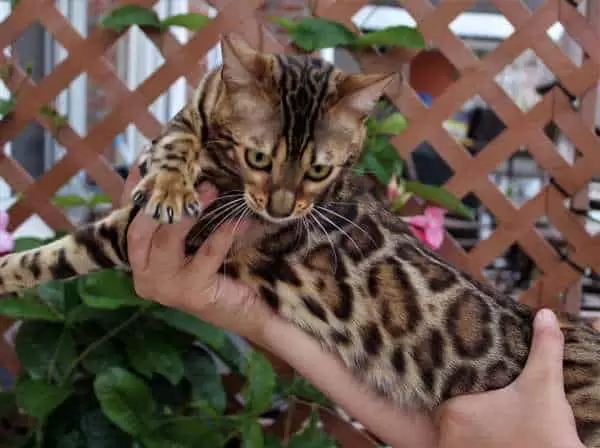
Bengal Kitten or Cat Adaptation to a New Home: Your Comprehensive Guide
Bringing a new Bengal kitten or an adult Bengal cat into your home is an exciting time. Known for their striking spotted coats, intelligence, and playful nature, Bengals can make wonderful companions. While they are generally adaptable creatures, the transition to a new environment can still present challenges for both the cat and their new family. This comprehensive guide will walk you through the essential steps to ensure a smooth and stress-free Bengal cat adaptation to their forever home, fostering a strong bond and a happy coexistence.
The ease of adjustment for a Bengal kitten or cat to a new home often depends on several factors, including their age, previous experiences, your preparation, and the environment you provide. While the breed is known for its quick adaptation abilities, understanding their needs and implementing a thoughtful integration plan is crucial. Our goal is to facilitate mutual understanding and comfort, ensuring your new feline family member feels secure and loved from day one.
It’s important to remember that every kitten is an individual. While general advice is helpful, always pay close attention to your specific cat’s personality, quirks, and needs. Observing their behavior will be your best guide in navigating the adaptation process.
Preparing Your Home for a Bengal’s Arrival
Before your new Bengal kitten or cat even sets paw in your home, thorough preparation is key. This proactive approach minimizes stress for your new pet and sets the stage for a successful integration.
Essential Supplies and Setup
- Food and Water Bowls: Choose sturdy, non-tip bowls made of ceramic or stainless steel. Avoid plastic, as it can harbor bacteria and cause chin acne. Consider elevated bowls for adult cats to promote better digestion and posture.
- High-Quality Food: Research and select a reputable brand of high-protein, grain-free kitten or cat food. Consult with your breeder or veterinarian for specific recommendations tailored to the Bengal breed.
- Litter Box: Opt for a litter box that is large enough for your cat to comfortably turn around in. Many Bengals prefer open-top litter boxes, but some may feel more secure in a hooded one.
- Cat Litter: Experiment with different types of litter to find what your cat prefers. Unscented, clumping clay litter is a popular choice. Avoid strongly scented litters, which can be overwhelming for a cat’s sensitive nose.
- Scratching Posts: Bengals have a natural instinct to scratch. Provide a variety of scratching surfaces, including vertical posts (sisal rope is excellent) and horizontal scratchers. This will protect your furniture and satisfy their natural behavior.
- Comfortable Bedding: Offer several cozy sleeping spots. This could include soft beds, blankets, or even a designated spot on a high shelf or cat tree.
- Toys: Bengals are intelligent and energetic. They need stimulating toys to prevent boredom and destructive behavior. Puzzle feeders, feather wands, laser pointers (use with caution and always end with a tangible reward), and interactive toys are great options.
- Carrier: A secure and comfortable carrier is essential for vet visits and travel. Ensure it’s large enough for your cat to stand and turn around.
- Grooming Supplies: While Bengals are relatively low-maintenance groomers, you’ll need a soft brush for occasional brushing and cat-specific nail clippers.
Creating a Safe Haven
Designate a kitten-proofed room or a quiet, low-traffic area of your home as your Bengal’s initial sanctuary. This space should contain all their essential supplies: food, water, litter box, bedding, and a few toys. This controlled environment allows the kitten to adjust at their own pace without being overwhelmed by the entire house and its inhabitants.
The First Few Days: Gentle Introductions and Minimizing Stress
The initial days and weeks are critical for establishing trust and comfort. Approach these early stages with patience and understanding.
Arrival and Initial Settling
If your kitten or cat arrives after a long journey, such as by plane, they will likely be disoriented and stressed. The unfamiliar scents, sounds of engines, and separation from their familiar environment can be frightening. Upon arrival, immediately take them to their designated safe room. Gently place their carrier in the room, open the door, and allow them to exit on their own terms. Avoid forcing them out. Offer them fresh water and food. Sit quietly in the room with them, speaking in a soft, soothing voice. Let them come to you when they feel ready. Petting and comforting them can be incredibly helpful in easing their anxiety.
Patience is key during this initial phase. Resist the urge to immediately introduce them to the entire household. Let them explore their safe space and get accustomed to their immediate surroundings. Observe their body language for signs of stress, such as flattened ears, dilated pupils, or hiding.
Social Distancing: Initial Separation from Other Household Members
For the first few days, it’s highly recommended to isolate the Bengal kitten or cat from overactive children and other pets. This allows them to decompress and feel secure in their new environment without the added pressure of interacting with unfamiliar individuals or animals. This initial separation is not about exclusion but about creating a foundation of safety and trust.
Keeping the kitten in a small, contained area with their essentials nearby is crucial. This proximity of food, water, and the litter box helps them acclimate to their new situation, eat without distraction, and confidently use their litter tray. This controlled introduction prevents them from becoming lost or overwhelmed, especially if they are young or have never been in a home environment before.
Introducing Your Bengal to Other Pets
Introducing a new cat to existing pets requires a strategic and gradual approach to prevent territorial disputes and ensure a harmonious coexistence. This is particularly important if you already have other pets, as they may initially resist the “stranger” taking over their litter tray or food bowl.
Stepped Introduction Process
- Scent Swapping: Before any visual introductions, begin by swapping scents. Rub a soft cloth on your new Bengal’s cheeks and place it in areas where your resident pets frequent. Do the same with a cloth that has been rubbed on your resident pets and place it in your Bengal’s safe room. This allows them to become familiar with each other’s scent in a non-threatening way.
- Feeding at the Door: Once scent swapping has been established, feed both your new Bengal and your resident pets on opposite sides of a closed door. This positive association with food at the door can help build a connection.
- Visual Introductions (Supervised): When both parties seem calm and curious about each other’s scent, you can proceed with supervised visual introductions. Start with short sessions, keeping your new Bengal in their carrier or behind a baby gate. Allow them to observe each other from a distance.
- Controlled Playtime: As they become more comfortable, you can allow supervised interaction. Keep these sessions short and positive. Offer praise and treats when they behave calmly.
- Gradual Freedom: Slowly increase the amount of unsupervised time they spend together, always observing their interactions. If you notice signs of aggression or significant stress, separate them and go back a step in the introduction process.
It’s natural for there to be some initial hissing and spitting, especially from an older cat whose territory the “stranger” has invaded. However, with patience and a methodical approach, this is usually unlikely to last longer than a few days. Bengals are typically resilient and adapt quite quickly.
Playtime Under the Door: A Gentle First Contact
A particularly effective method for introducing your new Bengal kitten to other cats is to allow them to interact by putting their paws under a door. This gradual introduction allows them to paw at each other, giving them a sense of connection and play without the intense pressure of direct physical contact. This can be a great way to gradually introduce them to other felines in the household, easing them into social interactions.
Carrier Introduction: Familiarization Through Proximity
Another effective technique for accustoming newcomer cats to your existing pets is to place the newcomer back into their cat carrier and position it within reach of your resident animals. This allows them to sniff each other and become acquainted at their own pace, from a safe distance. This method fosters a sense of familiarity and can significantly reduce initial anxiety for both parties.
Integrating Your Bengal with Children
Bengals can form wonderful bonds with children, often becoming playful and affectionate companions. However, it’s crucial to teach children how to interact appropriately with cats from the beginning.
Teaching Children Respect and Gentleness
Explain to young children that cats are not toys and deserve to be treated with kindness and respect. Explain to them how to communicate with their new feline friend gently. Teach them not to chase the kitten with loud noises or sudden movements. Encourage them to approach the cat calmly, offer a finger for the cat to sniff, and pet them gently on their back and head.
Supervise all interactions between children and the Bengal kitten, especially in the early stages. This ensures that both the child and the cat are safe and that positive interactions are being fostered. As the Bengal and the children build trust, they will often develop a beautiful and playful relationship.
Understanding Bengal Behavior and Needs
Bengals are a unique breed with specific needs and behaviors that are important to understand for successful adaptation.
The Bengal’s Energetic and Playful Nature
Bengals are known for their high energy levels and playful disposition. They require ample opportunities for exercise and mental stimulation. Daily play sessions with interactive toys are essential to prevent boredom and potential destructive behaviors. They often enjoy climbing, jumping, and even playing in water, which is unusual for many cat breeds.
Intelligence and Trainability
These cats are highly intelligent and can be trained to perform tricks, walk on a harness, and even use a toilet (though this is not recommended for all owners). Their intelligence means they need mental stimulation to thrive. Puzzle feeders, training sessions, and varied toys can keep their minds engaged.
Vocalization and Communication
Bengals are generally quite vocal and will communicate their needs and desires through a variety of meows, chirps, and trills. Learning to understand your Bengal’s vocalizations will greatly enhance your communication and understanding.
Socialization is Key
Early and consistent socialization is crucial for a well-adjusted Bengal. This includes exposure to different sights, sounds, people, and other animals (if applicable) in a positive and controlled manner. This will help them grow into confident and friendly adult cats.
Potential Challenges and Solutions
While Bengals are adaptable, some challenges may arise during the adaptation process. Being prepared will help you address them effectively.
Hiding and Fear
If your Bengal is hiding extensively, it’s a sign they feel insecure. Ensure their safe space is truly quiet and undisturbed. Spend quiet time in the room with them, offering treats and speaking softly. Never force them out of hiding.
Litter Box Issues
Litter box problems can stem from stress, medical issues, or an aversion to the litter box itself. Ensure the litter box is clean, accessible, and in a quiet location. Rule out any medical causes with a veterinarian. Experiment with different litters and box types.
Aggression or Fear-Based Behaviors
If you notice aggression or extreme fear, it’s crucial to identify the trigger. Ensure proper introductions to other pets and children. Consult with a veterinarian or a certified feline behaviorist for guidance.
Long-Term Well-being and Continued Adaptation
The adaptation process doesn’t end after the first few weeks. Continued attention to your Bengal’s needs will ensure their long-term happiness and well-being.
Routine and Consistency
Establish a consistent daily routine for feeding, playtime, and grooming. This predictability helps cats feel secure and reduces anxiety.
Ongoing Socialization and Enrichment
Continue to provide opportunities for socialization and enrichment throughout your cat’s life. This can include introducing them to new people, providing interactive toys, and creating vertical space for them to explore.
Regular Veterinary Check-ups
Regular veterinary check-ups are essential for monitoring your Bengal’s health and catching any potential issues early on. This also provides an opportunity to discuss any behavioral concerns you may have.
Conclusion: A Rewarding Journey
Welcoming a Bengal kitten or cat into your home is a rewarding journey. By understanding their unique needs, preparing your home, and implementing a patient and gradual integration process, you can ensure a smooth adaptation for your new exotic companion. With love, understanding, and consistent effort, you’ll build a strong and lasting bond with your beautiful Bengal cat, creating a harmonious and joyful home for everyone.
For further information on specific aspects of Bengal care, consider exploring these resources:
FAQs about Bengal Kitten or Cat Adaptation to a New Home: A Comprehensive Guide
What essential supplies do I need before bringing a Bengal kitten or cat home?
You'll need sturdy food and water bowls (ceramic or stainless steel are best), high-quality, high-protein cat food, a large litter box with preferred litter, various scratching posts, comfortable bedding, stimulating toys, a secure carrier, and basic grooming supplies like a soft brush and nail clippers.
How can I prepare my home to help my new Bengal adapt smoothly?
Designate a kitten-proofed room or a quiet, low-traffic area as their initial sanctuary. This space should contain all their essential supplies: food, water, litter box, bedding, and toys, allowing them to adjust without feeling overwhelmed by the entire house.
What is the best way to introduce my new Bengal to their home upon arrival?
Upon arrival, place their carrier in the designated safe room, open the door, and let them exit on their own terms. Offer fresh water and food. Sit quietly in the room, speaking softly, and allow them to explore at their own pace. Avoid forcing interaction during this initial phase.
How should I introduce a new Bengal to existing pets in the household?
Use a strategic, gradual approach: start with scent swapping, then feed pets on opposite sides of a closed door. Follow with supervised visual introductions (e.g., with the Bengal in their carrier or behind a baby gate), and finally, allow controlled playtime sessions.
What are some key characteristics of Bengal behavior I should be aware of?
Bengals are known for their high energy levels, requiring ample playtime and mental stimulation. They are intelligent, trainable, and often quite vocal, communicating through a variety of meows, chirps, and trills. Early and consistent socialization is crucial for their well-being.
How can I help my Bengal if they are hiding or showing signs of stress?
If your Bengal is hiding extensively, it indicates insecurity. Ensure their safe space is quiet and undisturbed. Spend quiet time in the room with them, offering treats and speaking softly. Never force them out of hiding and allow them to gain confidence at their own pace.
What are the main points to consider when integrating a Bengal with children?
Teach children to be gentle and respectful, explaining that cats are not toys. Instruct them to avoid loud noises or sudden movements. Supervise all interactions, especially initially, to ensure positive experiences and safety for both the child and the cat.
What is crucial for a Bengal's long-term well-being and continued adaptation?
Establish a consistent daily routine for feeding, playtime, and grooming to provide security and reduce anxiety. Continue providing opportunities for socialization and mental enrichment throughout their life, and ensure regular veterinary check-ups to monitor their health.